Disclaimer: Benro Properties. This site provides home improvement content for informational purposes only.
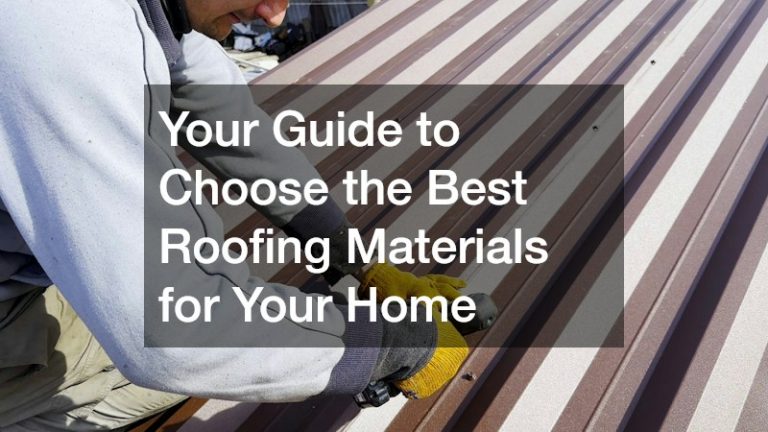
Choosing the right roofing material for your home is a crucial decision that impacts aesthetics, functionality, and longevity. This guide will help you navigate through the different options available and make an informed choice. The roofing materials you select can either complement your home beautifully or compromise its integrity due to weather conditions and usage. Each type of roofing material offers a unique set of benefits and drawbacks.
Through this comprehensive guide, we aim to shed light on these factors and help you prioritize your preferences and needs.
1. What Are the Most Durable Roofing Materials?
Durability is a key concern when selecting roofing materials, as it determines the lifespan and efficacy of your roofing system. Slate is often considered one of the most durable options, lasting anywhere from 75 to 150 years. Metal roofs are also renowned for their longevity, often outlasting typical asphalt setups by decades with proper maintenance. Tile roofs, particularly clay and concrete tiles, endure well in many climates due to their resistance to decay and pests. It’s important to research and consider the specific durability benefits of each material based on your geographical location and weather conditions.
In addition to slate, metal, and tile, architectural shingles are gaining popularity in residential areas for their durability and design flexibility. Architectural shingles last about 30-50 years and are composed of several layers of asphalt, providing improved wind and hail resistance. The extra thickness and flexibility allow them to maintain integrity under various environmental stresses. This longevity makes them a popular choice amongst homeowners who are looking for an aesthetically appealing yet durable option. Choosing a durable material reduces the frequency and cost of roof repairs over the years.
Besides the longevity aspect, another dimension of durability is how well materials withstand extreme temperature fluctuations and potential physical damage. Roofing materials like metal and asphalt are less likely to crack under intense heat or cold. Fact: Metal roofs can withstand wind speeds up to 120 miles per hour, making them ideal for storm-prone areas. Proper installation and maintenance further augment the durability of roofing materials, ensuring they provide the maximum protection intended. Investing in durable materials thus pays off in minimized repair costs and extended longevity of the roof.
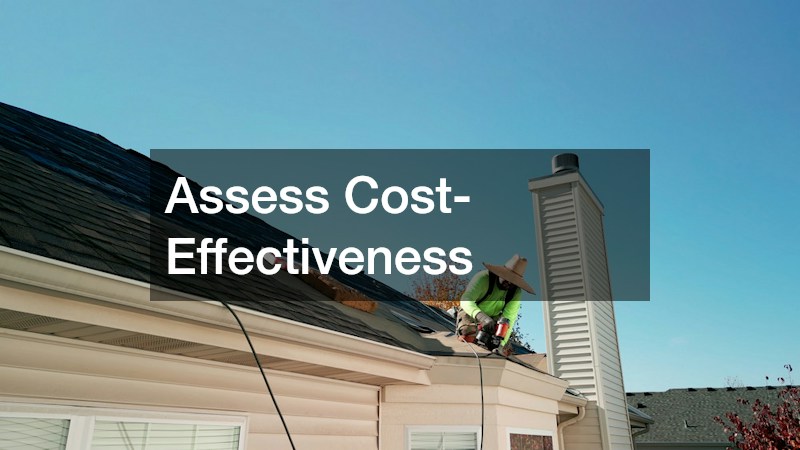
2. How to Assess Cost-Effectiveness?
Cost-effectiveness doesn’t only mean opting for the cheapest option. It involves evaluating the initial costs against the longevity, maintenance, and energy efficiency benefits associated with a roofing choice. Asphalt shingles are generally the most cost-effective upfront, but materials like metal and tile offer longer-term savings through durability and energy efficiency. Metal and tile can reflect solar heat effectively, reducing cooling costs in hotter months. Considering these long-term savings is crucial for homeowners looking to invest smartly in their roofing.
Furthermore, incentives such as tax credits or rebates for installing energy-efficient roofing can also impact cost-effectiveness. Utilizing materials that qualify for such incentives can offset the initial outlay, making high-end options more attainable. Homeowners should explore local and federal programs designed to encourage environmentally-friendly roofing choices. Despite higher initial costs, the incorporation of such features can save significantly on energy as well as increase the overall value of the property. Balancing initial investment with ongoing savings and potential incentives defines true cost-effectiveness in roofing material selection.
Assessing cost-effectiveness also involves weighing maintenance needs and costs over the material’s lifespan. While options like slate may have higher upfront costs, they require minimal maintenance. On the contrary, less durable materials might entail frequent repairs, accruing costs over time. Local environmental conditions can cause materials to wear faster if not suited to surrounding climate and conditions, impacting their cost-effectiveness. Factor in not just purchase and installation but also the anticipated maintenance and life expectancy when evaluating your options.
3. What Are the Environmental Impacts of Different Roofing Materials?
As environmental consciousness rises, homeowners are increasingly interested in the eco-friendliness of roofing materials. Materials like metal and clay are highly recyclable, with metal roofs often made from a high percentage of recycled content, reducing environmental impact. On the other hand, asphalt shingles aren’t recyclable to the same extent, which means old shingles can end up in landfills, compromising their environmental appeal. Consider the manufacturing process as well, as some materials are produced through more environmentally taxing methods than others. Favoring materials with lower environmental impacts aligns your roofing choices with sustainable living goals.
Green roofs are another option, transforming urban heat islands into lush spaces, reducing heat, and improving air quality. These roofs support vegetation, which can include garden space, providing insulation and minimizing stormwater runoff. The installation of green roofs requires specialized expertise and sufficient structural support but is a worthy consideration for sustainably-minded homeowners. Eco-friendly choices, such as these, can set your home apart and demonstrate a commitment to sustainable practices. This strategy also optimizes usable space, giving an innovative approach to roofing.
Nonetheless, there are incremental steps that one can incorporate, such as opting for materials with reflective or “cool roof” capabilities to reduce heat absorption. Such materials decrease reliance on air conditioning, leading to lower energy consumption and reducing the home’s carbon footprint. Considering the renewable lifecycle of materials and the energy efficiency conferred by certain options cultivates mindfulness in choices. Homeowners are encouraged to look into certifications or eco-labels which indicate the sustainability of roofing materials. With the increasing availability of options, reducing your environmental footprint with roofing becomes increasingly viable.
4. Aesthetic Considerations for Your Home’s Roofing
The aesthetic appeal of roofing materials plays a crucial role in enhancing the overall look of your home. Architectural shingles offer versatility in style and color, enabling personalization to match specific tastes or neighborhood aesthetics. Conversely, traditional options like terracotta tiles convey timeless elegance and traditional charm, often found in Mediterranean or Spanish-style homes. The array of textures and colors available in slate roofing contributes to its renowned beauty and distinct architectural appeal. Roofs serve as a quintessential visual component, dramatically influencing curb appeal and the overall impression of a residence.
Each roofing style integrates differently with various architectural styles, and understanding these relationships helps ensure the desired look is achieved. A modern house may best accommodate the sleek lines of a metal roof, while a Victorian-style house could better embrace the nostalgia of slate. Bold roof colors can serve as an artistic centerpiece, while neutral tones can offer subtle elegance and timelessness. The selection of roofing materials thus not only addresses functionality and longevity but personal expression and aesthetic values as well. Complementing architectural style with complementary roofing enhances the property’s appearance and marketability.
The profound effect of color, texture, and pattern of roofing materials should not be underestimated. Dark roofs may give a home an anchored, solid look, while light-colored roofs can provide an expansive, airy feel. Selecting a roofing color can be particularly impactful on your home’s overall appearance and how it correlates with landscaping and surrounding properties. Prioritizing the aesthetic appeal alongside practical considerations ensures that roofing reinforces home’s identity and expresses the owner’s vision. With modern technology providing innovative materials and colors, customizing roofs to match unique tastes is more possible than ever.
5. Weather Resilience and Performance
When choosing roofing materials, weather resilience is perhaps one of the most critical factors to consider. The ability to withstand harsh climatic conditions such as high winds, snow, and intense heat can extend the lifespan of the roof significantly. Metal roofs are renowned for their ability to handle extreme weather and even resist fire, which can be crucial in certain geographic areas. Tile roofs, while heavier, also offer excellent resistance to hail and other severe weather conditions. Selecting a weather-resistant roofing material bolsters your home’s defenses against unpredictable elements, ensuring safety and peace of mind.
Another dimension of weather resilience is how well roofing materials retain temperature and provide insulation. A well-insulated roofing system not only protects but can maintain a consistent indoor climate, reducing energy consumption related to heating and cooling. Fact: Metal roofs can be installed with reflective coatings that reduce heat radiation. This type of roofing content can make a difference in areas experiencing rapid seasonal changes, reducing the need for energy-intensive climate-control systems. Amplifying weather adaptability can also mean enhanced comfort levels within the home, align with sustainability, and promote cost savings.
Finally, proper installation and maintenance are pivotal to optimizing the weather resilience of any roofing material. Even the most durable materials can underperform if improperly installed or poorly maintained. Environmental stressors like moss, falling debris from trees, or excessive moisture accumulation can deteriorate certain materials over time. Inspections and timely repairs addressing such issues ensure that the roofing system sustains its protective capabilities. A well-maintained roof effectively shields against adverse weather conditions, extending life, and safeguarding family comfort.
By understanding the various factors involved in selecting roofing materials, homeowners can choose the best option that offers durability, cost-effectiveness, environmental benefits, aesthetic appeal, and weather resilience. Make the right decision to ensure your home is both beautiful and protected for years to come. Prioritizing elements based on specific needs and future plans strengthens long-term roofing solutions. Thoughtful selection unites form and function, tailoring a roof that meets all these essential aspects. With comprehensive evaluation, investing in a suitable roofing material guarantees performance and enhances your home’s value and curb appeal.