Disclaimer: Benro Properties. This site provides home improvement content for informational purposes only.
Understanding when to replace a sewer pipe lining is crucial for maintaining an efficient plumbing system. This article explores the key indicators and considerations that determine when a sewer pipe lining needs replacement. Many homeowners struggle with recognizing the signs of sewer pipe issues early on, often leading to significant complications.
Timely detection and action not only save costs but also protect your property and the environment. Let’s delve into the specifics of sewer pipe lining replacement to aid in informed decision-making.
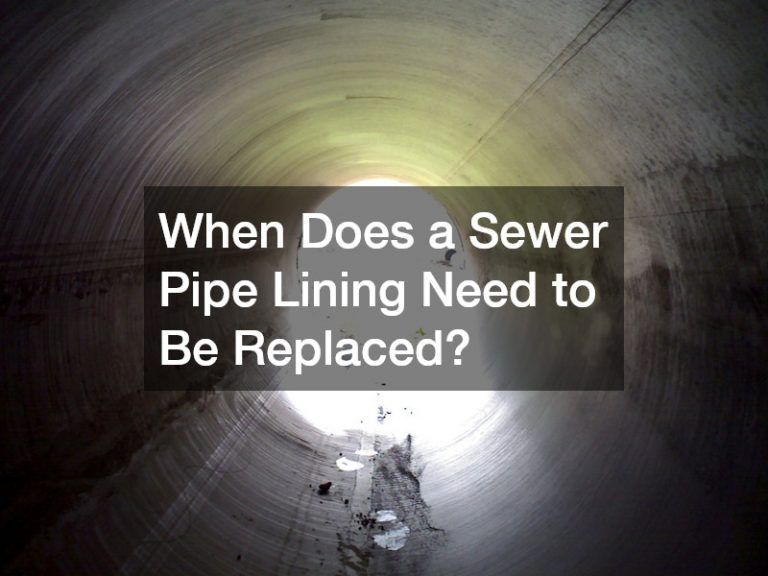
How Do I Know If My Sewer Pipe Lining Is Failing?
Many signs can indicate a failing sewer pipe lining, each requiring immediate attention. Persistent clogs, slow drains, and frequent backups often point to an underlying issue with the pipe lining. Additionally, if you notice unpleasant sewage odors emanating from your drains or yard, this could suggest a breach in the line. In more severe cases, visible water damage or an unusual increase in your water bill may indicate a compromised sewer lining. Early detection of these symptoms is critical in preventing further damage and expensive repairs.
Consulting a professional plumber for a detailed inspection is a prudent step once these signs manifest. Specialized tools and cameras are used to assess the condition of the sewer lining and identify any damage. A professional evaluation provides clarity on whether a simple repair suffices or if replacement is necessary. Proactive maintenance can extend the life of your sewer system, sparing you from emergency calls and unexpected service interruptions. Regular inspections also align with smart homeownership by preventing small issues from becoming large, costly problems.
Ignoring the early signs of a failing sewer pipe can have compounded effects. Over time, what begins as a minor inconvenience can escalate, leading to environmental hazards and health risks from unsanitary conditions. A failing pipe lining can result in raw sewage leaking into your property, causing significant structural damage. Moreover, without timely intervention, the deterioration may extend, affecting adjacent infrastructure and inflating repair costs. Timely replacement of the sewer lining safeguards your property and ensures the safety of its occupants.
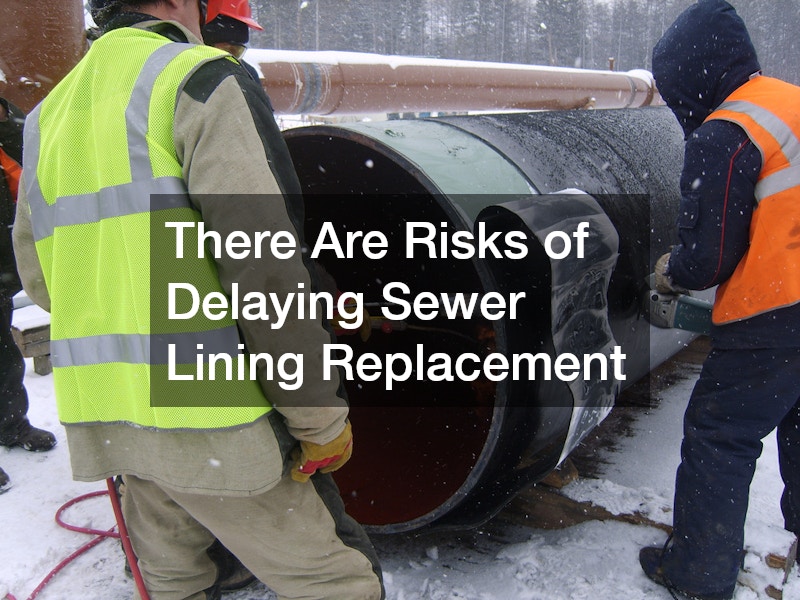
What Are the Risks of Delaying Sewer Lining Replacement?
Delaying the replacement of a failing sewer pipe lining can bring about various financial implications. Initially, one might overlook the subtle signs of a compromised pipe due to seemingly minor inconveniences. However, the cost of emergency repairs and potential property damage far outweighs the savings of postponing a necessary replacement. Water damage from leaks can also spur mold growth, leading to health concerns and additional remediation expenses. Therefore, quick action can actually save money in the long term by avoiding extensive repairs.
In addition to financial risks, there are environmental concerns associated with delaying sewer lining replacement. Leaking sewer pipes can contaminate local soil and groundwater, causing long-term ecological damage. This contamination poses risks not just to your immediate property but also to the surrounding areas and local wildlife. The resulting environmental impact might attract the attention of local authorities, possibly resulting in fines or mandatory compliance measures. Thus, addressing failing sewer linings promptly is an integral aspect of environmental stewardship.
The health implications of untreated sewer leaks are another pressing risk factor. Exposure to untreated sewage can lead to serious health conditions due to harmful pathogens and toxins. Residents may experience respiratory issues, skin irritation, and other ailments due to proximity to compromised sewer systems. Prolonged exposure increases the likelihood of chronic health problems, emphasizing the need for timely interventions. Addressing and replacing a failing sewer lining ensures a safe living environment, free from the hazardous consequences of neglect.
What Are the Latest Technologies in Sewer Pipe Lining?
Technological advancements have revolutionized sewer pipe lining replacement, making the process more efficient and less invasive. Cured-in-place pipe (CIPP) lining technology is one such advancement, allowing for the relining of damaged pipes without significant excavation. This trenchless technique uses a resin-saturated felt tube that hardens inside the existing pipe to create a new, smooth inner surface. The benefits of CIPP include reduced labor costs, minimal disruption to landscaping, and a quicker turnaround time compared to traditional methods. With advancements like CIPP, repairing sewer systems has become more accessible and less disruptive.
Another innovative technology is the use of pipe bursting, which allows for the replacement of an old pipe by fracturing it outward and simultaneously pulling a new pipe into place. This method is highly effective in addressing more extensive damage and is suitable for various pipe materials. It provides a sustainable solution without the extensive digging required by traditional replacement methods, preserving existing structures and landscapes. Pipe bursting can accommodate different pipe diameter expansions, offering versatility depending on the needs of the property. This advancement ensures that homeowners have access to robust solutions for extensive repairs.
Technological advancements also extend to the diagnostic tools used in assessing sewer pipe condition. High-definition video inspection and sonar detection systems have become essential in pinpointing specific areas of concern within pipelines. These tools offer precise and comprehensive inspection capabilities, leading to a more accurate diagnosis and targeted repairs. As technology continues to advance, homeowners can expect even more improvements in efficiency, reducing the time and resources necessary for effective maintenance. Investing in the latest technologies ensures that sewer systems are maintained at optimal performance, prolonging their lifespan.
How Often Should Sewer Pipe Lining be Inspected?
The frequency of sewer pipe inspections depends largely on the age and condition of the plumbing system. For newer systems, a regular inspection every two to five years is typically sufficient to preclude unexpected issues. However, for older systems or those with recurring problems, annual inspections are recommended to detect and address potential issues early. Professionals can provide tailored advice on an appropriate inspection schedule based on specific risk factors, such as prior issues, tree root intrusion, or soil conditions. Regular inspections help maintain the integrity of your piping system, ensuring its reliability.
During an inspection, professionals use advanced camera technology to provide a comprehensive view of the internal condition of the pipes. This allows for the early detection of issues such as cracks, blockages, tree root intrusion, and corrosion. A thorough inspection helps identify potential problems before they evolve into larger, costlier issues. As part of a preventative maintenance program, inspections offer peace of mind and can extend the life of your plumbing system. Staying proactive with inspections ultimately protects your home from unplanned plumbing emergencies and associated expenses.
Engaging with licensed professionals for sewer pipe inspections assures homeowners of accurate evaluations and reputable advice. Experts can identify subtle signs of degradation that might be overlooked by the untrained eye, thus preventing future complications. Inspections should ideally be scheduled with licensed and experienced professionals known for delivering reliable results. Transparent communication between homeowners and service providers also ensures that inspection findings and recommendations are clearly understood and acted upon. In this way, timely inspections serve as a strategic measure in maintaining your property’s plumbing health.
What Steps Should Be Taken in the Replacement Process?
The replacement process of a sewer pipe lining begins with a comprehensive evaluation of the existing pipe condition. Professionals will conduct a detailed inspection using advanced tools and techniques to assess the extent of damage or wear. Based on these findings, they recommend the most suitable replacement method, whether a traditional approach or a trenchless technique. Engaging a reputable plumbing service ensures that the recommended course of action is reliable and effective. With a clear diagnosis in hand, homeowners can proceed with confidence in the chosen solution.
Once the inspection is complete, preparation for the replacement involves securing necessary permits and informing relevant local authorities if extensive work is required. Preparation may also include notifying neighbors of the impending work to mitigate disruptions and ensuring property access for the replacement team. Depending on the approach, necessary equipment is mobilized, and site preparations are carried out, such as setting up safe zones around the work area. This stage is critical to avoid unforeseen delays and ensure the project proceeds smoothly without logistical roadblocks. Proper preparation lays the groundwork for a seamless replacement process.
Following preparation, the actual replacement process focuses on minimizing disturbances to the property and surrounding environments. With trenchless technologies, like CIPP or pipe bursting, replacements are accomplished efficiently with minimal excavation, preserving landscapes and structures. Post-replacement, a thorough inspection is conducted to ensure that the new lining is flawlessly installed and that the system functions as expected. Documentation of the replacement process, including warranties and service records, provides peace of mind and serves as a reference for future maintenance. Timely and professional intervention not only restores functionality but also enhances the longevity of your plumbing system.
Replacing a sewer pipe lining at the right time prevents costly repairs and safeguards both your property and the surrounding environment. Staying informed about inspection schedules, potential risks, and modern technologies can simplify the decision-making process. Embracing technological advancements in sewer line diagnostics and repairs ensures minimal disruption and maximizes efficiency. Homeowners who prioritize regular inspections and timely replacements benefit from reduced long-term maintenance costs. By acting decisively in addressing sewer line issues, property owners contribute to the longevity and reliability of their plumbing systems.