Disclaimer: Benro Properties. This site provides home improvement content for informational purposes only.
A comfortable indoor environment depends heavily on a properly functioning heating and cooling system. When everything is working as it should, most homeowners do not think twice about temperature control, airflow, or energy use. However, when issues begin to develop, they often show subtle warning signs before turning into major problems. One of the most common systems that requires attention over time is HVAC, especially as it endures seasonal changes and constant use throughout the year. Recognizing early signs of trouble can help prevent costly breakdowns, improve efficiency, and maintain consistent comfort in your home.
Understanding what to look for allows homeowners to take action before minor issues turn into significant repairs.
Weak Airflow and Inconsistent Room Temperatures
One of the earliest indicators that something may be wrong is uneven airflow throughout the home. You might notice that some rooms feel significantly warmer or cooler than others, even when the system is running continuously. This inconsistency often suggests blockages, duct issues, or declining system performance.
Weak airflow can also make it difficult to maintain a comfortable temperature setting. When air is not circulating properly, the system has to work harder to achieve the desired results. Over time, this added strain can reduce efficiency and increase wear on internal components.
In many cases, homeowners overlook these early symptoms, assuming they are caused by external weather conditions or minor thermostat adjustments. However, persistent airflow issues are often a sign that the system needs closer inspection. Addressing these problems early can help restore balanced performance and prevent further complications.
Strange Noises and Unusual Odors During Operation
Unusual sounds coming from your system are another clear warning sign that should not be ignored. Banging, rattling, grinding, or squealing noises often indicate loose parts, motor issues, or internal wear. These sounds typically do not resolve on their own and may become worse over time if left unaddressed.
Odors can also signal underlying problems. A musty smell may suggest moisture buildup or mold growth, while a burning odor could indicate electrical issues or overheating components. Both situations require immediate attention to prevent further damage or potential safety risks.
At this stage, it is not uncommon for homeowners to realize that their HVAC is no longer operating as smoothly as it once did. Performance issues combined with unusual sounds or smells often point to internal mechanical problems that require professional diagnosis. Ignoring these signs can lead to more expensive repairs or even complete system failure.
Rising Energy Bills and Reduced Efficiency
A sudden increase in energy bills without a clear explanation is often linked to declining system efficiency. When a heating and cooling system is not operating properly, it tends to run longer cycles and consume more energy to maintain the same level of comfort.
This inefficiency can be caused by a variety of factors, including clogged filters, aging components, or refrigerant issues. As the system struggles to keep up with demand, energy consumption rises, leading to higher monthly costs.
Many homeowners first notice this issue during peak seasonal months when usage is already high. However, consistent increases over time are a strong indicator that something is not functioning correctly. In these cases, HVAC performance issues are often the underlying cause of reduced efficiency and higher operating costs.
Frequent Cycling and System Performance Issues
Another common sign of trouble is when the system turns on and off more frequently than usual. This behavior, known as short cycling, can place significant strain on internal components and reduce overall efficiency.
Short cycling may be caused by thermostat malfunctions, airflow restrictions, or system overheating. Regardless of the cause, it prevents the system from completing full heating or cooling cycles, which affects both comfort and energy use.
Homeowners may also notice that the system struggles to maintain the set temperature. It may take longer to cool or heat the home, or fail to reach the desired temperature altogether. These performance issues often develop gradually, making them easy to overlook at first.
When to Seek Professional Help
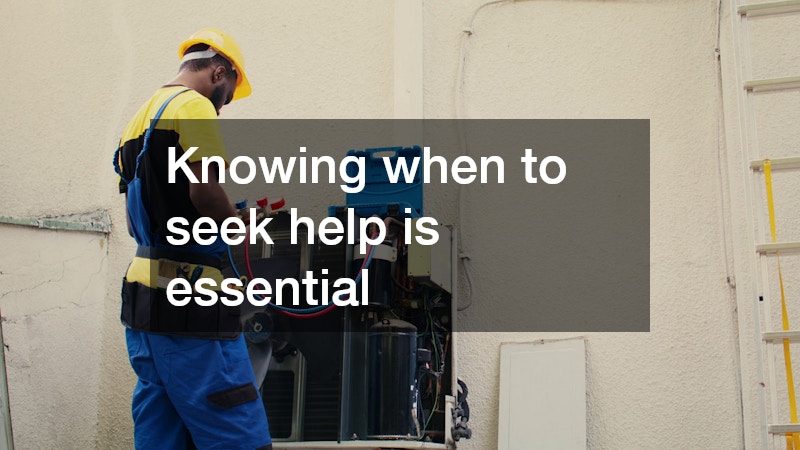
Knowing when to seek help is essential for preventing further damage and maintaining system reliability. While some minor maintenance tasks can be handled at home, more complex issues require professional assessment and repair.
If multiple warning signs appear at the same time, such as weak airflow, unusual noises, and rising energy bills, it is a strong indication that the system needs attention. Delaying repairs can lead to more serious problems and potentially shorten the lifespan of the equipment.
In many cases, homeowners only realize the extent of the issue once performance has significantly declined. At this point, HVAC systems may already be under significant strain, making timely intervention even more important. Addressing problems early helps restore efficiency and reduces the likelihood of unexpected breakdowns.
Maintaining a comfortable home environment depends on recognizing early warning signs before small issues become major repairs. From uneven airflow and strange noises to rising energy costs and performance inconsistencies, these symptoms often indicate that your system needs attention. In many situations, HVAC problems develop gradually, making it important to stay aware of subtle changes in performance.
By addressing issues early and seeking professional support when needed, homeowners can improve efficiency, extend system lifespan, and maintain consistent indoor comfort. Paying attention to these signs ensures that your heating and cooling system continues to operate reliably throughout the year.