
Disclaimer: Benro Properties. This site provides home improvement content for informational purposes only.
Introduction: Why Exterior Improvements Deliver Some of the Highest Returns for Homeowners
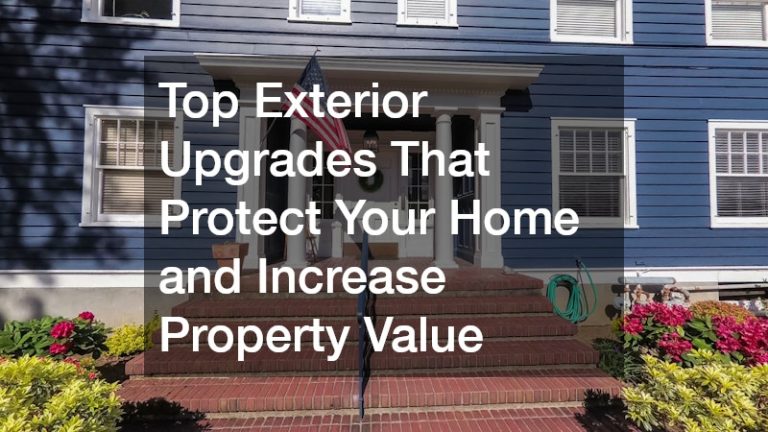
When homeowners think about increasing property value, many immediately focus on kitchens, bathrooms, or interior renovations. While those upgrades certainly matter, the exterior of a home often has an even greater impact on both protection and resale value. The outside of a property creates the first impression for visitors, neighbors, and potential buyers. More importantly, it serves as the primary barrier against weather, moisture, temperature fluctuations, and environmental wear.
Exterior improvements are unique because they often provide both aesthetic and functional benefits. A well-maintained roof protects the structure from water damage. Effective drainage systems prevent foundation problems. Durable walkways improve safety while enhancing curb appeal. Thoughtfully designed outdoor spaces increase usability and enjoyment while making the property more attractive to future buyers.
Many costly home repairs begin with neglected exterior components. Small cracks in pavement can worsen over time. Minor roof damage can develop into widespread water intrusion. Poor drainage can contribute to foundation issues that require extensive repairs. By investing in preventative maintenance and strategic upgrades, homeowners can often avoid these expensive outcomes.
Another major benefit of exterior improvements is their impact on energy efficiency. Modern roofing materials, upgraded entry systems, and improved landscape planning can help reduce heating and cooling demands while supporting long-term sustainability goals.
The most successful exterior improvement plans balance protection, functionality, appearance, and budget. Rather than viewing upgrades as isolated projects, homeowners should consider how various systems work together to protect the home and enhance property value.
This guide explores several of the most valuable exterior improvements homeowners can make and explains how these investments can improve both the performance and appearance of a property.
Start with a Comprehensive Exterior Assessment Before Planning Upgrades
Before investing in any major improvement project, homeowners should perform a thorough evaluation of their property’s exterior condition. A comprehensive assessment helps identify existing issues, prioritize repairs, and create a strategic improvement plan.
Key areas to inspect include:
- Roofing systems
- Drainage components
- Concrete surfaces
- Landscaping
- Entry points
- Exterior finishes
During an assessment, homeowners should look for:
- Visible damage
- Water-related concerns
- Material deterioration
- Safety hazards
- Signs of aging infrastructure
Benefits of conducting an exterior evaluation include:
- Better project prioritization
- Improved budgeting
- Early problem detection
- Reduced repair costs
- Increased property protection
It is often helpful to divide projects into categories:
Immediate Concerns
These projects involve active damage or safety risks.
Examples include:
- Water leaks
- Structural concerns
- Broken access points
- Drainage failures
Preventative Maintenance
These tasks help prevent future deterioration.
Examples include:
- Surface sealing
- Routine inspections
- Minor repairs
- Cleaning and maintenance
Long-Term Improvements
These projects focus on durability, efficiency, and value.
Examples include:
- Material upgrades
- Landscape improvements
- Energy-efficient enhancements
- Exterior modernization
A clear understanding of the property’s current condition helps homeowners make informed decisions while maximizing return on investment.
Strengthen Structural Surfaces That Experience Daily Wear and Exposure
Concrete surfaces often represent some of the hardest-working areas of a property. Driveways, walkways, patios, and entryways experience daily foot traffic, vehicle loads, temperature fluctuations, and moisture exposure.
Working with a qualified concrete contractor can help homeowners preserve these surfaces while preventing more extensive deterioration.
Common causes of concrete damage include:
- Freeze-thaw cycles
- Water infiltration
- Soil movement
- Heavy loads
- Improper drainage
Warning signs of deterioration may include:
- Cracks
- Surface spalling
- Uneven sections
- Pooling water
- Edge breakdown
Benefits of proactive maintenance include:
- Improved safety
- Extended lifespan
- Better appearance
- Reduced repair costs
- Increased property value
Preventative measures often include:
- Crack sealing
- Surface cleaning
- Drainage improvements
- Joint maintenance
- Protective coatings
Homeowners should pay special attention to water management because standing water can accelerate deterioration significantly.
Investing in well-maintained concrete surfaces enhances both functionality and curb appeal while protecting one of the property’s most visible exterior features.
Address Roofing Problems Before They Lead to Expensive Structural Damage
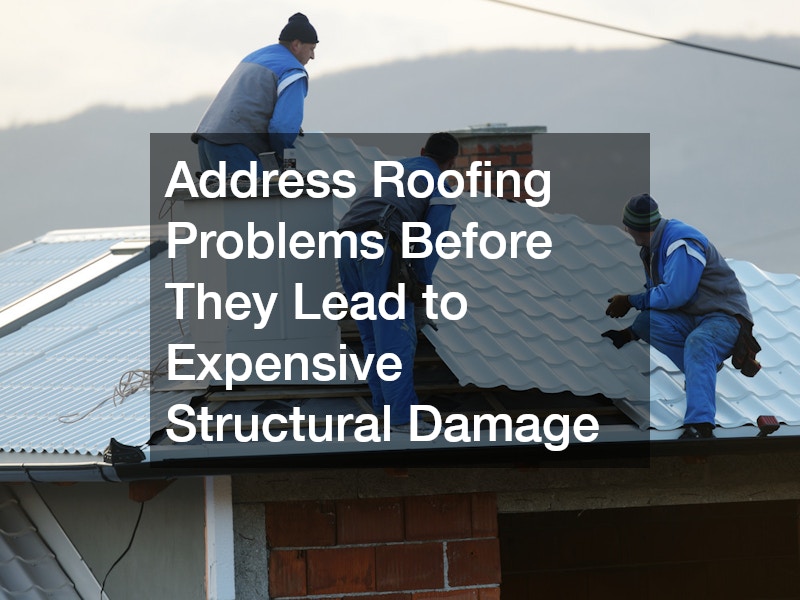
The roof serves as the home’s first line of defense against weather. Even minor roofing problems can eventually allow moisture to penetrate the structure, resulting in damage to insulation, framing, drywall, and interior finishes.
Routine inspections by a trusted roofing company help homeowners identify issues before they become major repair projects.
Common warning signs include:
- Missing shingles
- Water stains in the attic
- Damaged flashing
- Granule loss
- Sagging roof sections
Timely roof repair offers several important benefits:
- Prevention of water damage
- Extended roof lifespan
- Lower long-term maintenance costs
- Improved energy efficiency
- Better structural protection
Regular inspections should focus on:
- Shingle condition
- Ventilation performance
- Flashing integrity
- Drainage effectiveness
- Sealant condition
Homeowners should also schedule inspections after:
- Severe storms
- High-wind events
- Hail damage
- Heavy snowfall
Addressing roofing concerns early helps avoid the extensive costs associated with water intrusion and structural deterioration.
Explore Durable Roofing Materials That Improve Longevity and Efficiency
When homeowners begin evaluating long-term roofing solutions, durability often becomes one of the most important considerations. Traditional roofing materials can provide reliable protection, but many homeowners are now exploring options that offer longer lifespans, lower maintenance requirements, and improved energy performance.
Working with an experienced metal roofer can help homeowners determine whether metal roofing is an appropriate choice for their property and climate conditions.
Metal roofing offers several advantages, including:
- Exceptional durability
- Resistance to wind damage
- Improved fire resistance
- Reduced maintenance requirements
- Long service life
Unlike some conventional roofing materials, metal roofs can withstand significant environmental stress while maintaining their structural integrity.
Benefits often include:
- Better resistance to temperature fluctuations
- Improved performance during severe weather
- Reduced risk of cracking and deterioration
- Enhanced protection against moisture intrusion
Energy efficiency is another important consideration. Reflective roofing surfaces can help reduce heat absorption during warmer months, potentially lowering cooling demands.
Homeowners evaluating roofing options should consider:
- Local climate conditions
- Roof pitch
- Long-term maintenance expectations
- Initial investment costs
- Expected lifespan
Questions to ask before selecting roofing materials include:
- How much maintenance will be required?
- What warranties are available?
- How will the material perform during extreme weather?
- What is the projected lifecycle cost?
Although the upfront investment may be higher than some alternatives, many homeowners find that long-term durability and reduced maintenance justify the cost.
Selecting quality roofing materials helps protect the home while supporting long-term efficiency and property value.
Improve Energy Efficiency with Innovative Roofing Technology
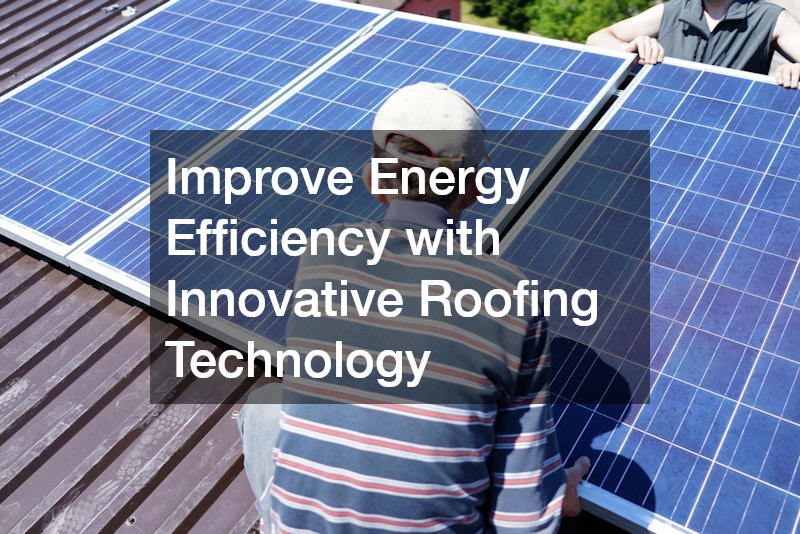
As homeowners seek new ways to improve sustainability and reduce utility expenses, roofing technology continues to evolve. One innovation that has attracted increasing attention is solar shingles.
Unlike traditional solar panels that are mounted above an existing roof, solar shingles are integrated directly into the roofing system. This approach allows homeowners to combine weather protection with energy generation.
Potential benefits include:
- Renewable energy production
- Improved curb appeal
- Reduced utility expenses
- Enhanced property value
- Efficient use of roof space
Homeowners considering solar shingles should evaluate several factors:
- Roof orientation
- Sun exposure
- Local climate conditions
- Energy consumption patterns
- Long-term financial goals
Important questions include:
- How much energy can the system generate?
- What incentives may be available?
- What maintenance requirements should be expected?
- How does the system affect roof longevity?
Potential long-term advantages may include:
- Lower energy costs
- Reduced dependence on traditional energy sources
- Increased home marketability
- Improved environmental sustainability
As energy costs continue to rise, integrated energy-generating roofing systems may become an increasingly attractive option for homeowners seeking both protection and efficiency.
Careful planning and professional evaluation help ensure that energy-related improvements align with overall homeownership goals.
Protect Foundations and Landscaping with Better Water Management
Water management is one of the most important yet frequently overlooked aspects of exterior home protection. Even the most durable roof cannot fully protect a property if rainwater is not directed away from the structure properly.
A properly designed gutter installation helps channel water safely away from the home’s foundation and surrounding landscape.
Common signs of drainage problems include:
- Overflowing gutters
- Water pooling near the home
- Soil erosion
- Basement moisture
- Foundation cracks
Poor drainage can contribute to:
- Structural movement
- Mold growth
- Landscape damage
- Exterior deterioration
- Water intrusion
Benefits of effective drainage systems include:
- Foundation protection
- Reduced erosion
- Better moisture control
- Extended exterior material lifespan
- Improved property appearance
Routine maintenance should include:
- Debris removal
- Downspout inspections
- Fastener evaluations
- Leak detection
- Drainage monitoring
Homeowners should also verify that downspouts direct water sufficiently away from the structure.
Additional improvements may include:
- Splash blocks
- Drainage extensions
- Grading adjustments
- Drainage channels
Protecting the foundation through effective water management helps prevent some of the most expensive structural repairs homeowners may face.
Create Outdoor Spaces That Enhance Functionality and Curb Appeal

Outdoor living spaces have become increasingly important for homeowners seeking both enjoyment and property value enhancement. Well-planned exterior environments can improve functionality while creating a more attractive and welcoming appearance.
Professional landscape design focuses on creating cohesive outdoor environments that balance aesthetics, usability, and maintenance requirements.
Effective planning often considers:
- Property layout
- Drainage patterns
- Sun exposure
- Plant selection
- Long-term maintenance needs
Benefits of thoughtful landscape planning include:
- Improved curb appeal
- Better outdoor usability
- Increased property value
- Enhanced environmental benefits
- Greater enjoyment of outdoor spaces
In addition to plantings and greenery, hardscaping services play a major role in creating durable outdoor features.
Examples include:
- Patios
- Walkways
- Retaining walls
- Fire pit areas
- Outdoor gathering spaces
Hardscape elements provide several advantages:
- Reduced erosion
- Improved accessibility
- Enhanced drainage control
- Defined outdoor living areas
- Increased functionality
When designing outdoor spaces, homeowners should prioritize:
- Proper drainage
- Material durability
- Ease of maintenance
- Compatibility with home architecture
Combining landscaping and hardscaping strategically allows homeowners to create outdoor environments that are both beautiful and practical.
Well-designed exterior spaces often become valuable extensions of the home’s living area while contributing positively to resale value.
Improve Security, Efficiency, and Convenience at Key Entry Points
Entry doors serve several important purposes. They contribute to security, improve energy efficiency, protect against weather, and create a strong first impression. Because entry doors are used daily, they experience constant wear and exposure to environmental conditions.
Over time, aging doors may develop issues that affect both performance and appearance. Professional exterior door installation can help homeowners improve security while enhancing curb appeal.
Common signs that a door may need replacement include:
- Drafts around the frame
- Difficulty opening or closing
- Visible damage
- Moisture intrusion
- Reduced security performance
Modern door systems offer several benefits:
- Improved insulation
- Better weather resistance
- Enhanced security features
- Increased durability
- Greater design flexibility
When selecting a replacement door, homeowners should consider:
- Material durability
- Energy-efficiency ratings
- Security requirements
- Maintenance needs
- Architectural compatibility
Popular materials include:
- Steel
- Fiberglass
- Wood
- Composite products
Benefits of upgrading entry systems include:
- Lower energy costs
- Improved comfort
- Better protection against the elements
- Enhanced appearance
- Increased property value
The front entryway is often one of the first features visitors and buyers notice. Investing in high-quality entry systems can significantly improve both functionality and aesthetics.
Keep Access Points Operating Safely and Reliably
Garage doors are among the largest moving components in most homes. Because they are used frequently, regular maintenance is essential to ensure safe and reliable operation.
Timely garage door repair helps prevent minor issues from becoming significant safety hazards.
Common garage door problems include:
- Broken springs
- Damaged rollers
- Misaligned tracks
- Faulty sensors
- Worn cables
Warning signs that repairs may be needed include:
- Unusual noises
- Slow operation
- Uneven movement
- Difficulty opening or closing
- Sudden reversals
Routine maintenance should include:
- Lubricating moving components
- Inspecting springs and cables
- Testing safety sensors
- Checking balance and alignment
- Tightening hardware
Benefits of preventative maintenance include:
- Improved safety
- Longer equipment lifespan
- Reduced repair costs
- Better reliability
- Smoother operation
Homeowners should never ignore garage door issues because these systems operate under significant tension and can create serious safety risks when damaged.
Maintaining garage access systems proactively helps ensure dependable performance while protecting both people and property.
Increase Property Value Through Consistent Exterior Care
The condition of a home’s exterior strongly influences both perceived and actual value. Buyers often make assumptions about the overall condition of a property based on what they see from the outside.
A well-maintained exterior communicates responsible ownership and reduces concerns about hidden maintenance issues.
Key areas that influence value include:
- Roofing systems
- Drainage infrastructure
- Entryways
- Landscaping
- Hardscape features
Benefits of consistent exterior care include:
- Improved curb appeal
- Greater buyer confidence
- Reduced inspection concerns
- Enhanced marketability
- Increased resale value
Documentation can also be valuable.
Helpful records include:
- Maintenance histories
- Inspection reports
- Warranty information
- Upgrade documentation
Exterior improvements often provide benefits beyond resale value.
Advantages may include:
- Better functionality
- Enhanced safety
- Lower maintenance costs
- Increased enjoyment of outdoor spaces
- Improved energy efficiency
When homeowners combine preventative maintenance with thoughtful upgrades, they create properties that are both attractive and resilient.
Conclusion: Protecting Your Home While Building Long-Term Value
Exterior improvements represent some of the most effective investments homeowners can make. Unlike many interior upgrades that focus primarily on aesthetics, exterior projects often provide a combination of protection, functionality, efficiency, and visual appeal. By maintaining and improving key exterior systems, homeowners can reduce long-term repair costs while increasing property value.
The most successful homeowners approach exterior care as an ongoing process rather than a one-time project. By creating a maintenance plan, budgeting strategically, and investing in high-value improvements, property owners can protect their homes for years to come.
Ultimately, exterior upgrades are about more than appearance. They help safeguard the structure, improve functionality, enhance efficiency, and support long-term financial value. Through proactive planning and consistent maintenance, homeowners can enjoy the benefits of a property that remains attractive, durable, and well-protected throughout its lifespan.