Disclaimer: Benro Properties. This site provides home improvement content for informational purposes only.
Is your air conditioning unit not cooling your home as efficiently as it used to? As we move into warmer months, ensuring your AC is in top condition becomes crucial. This article will help you determine when your AC requires repairs or when it’s more cost-effective to replace the unit entirely.
Understanding when to call for AC repair can save you money and prevent the uncomfortable scenario of experiencing extreme temperatures indoors. If your AC is over ten years old, it may be moving toward the end of its lifecycle.
Regular maintenance can extend the life of your system, but knowing the signs of deterioration ensures you never face unexpected breakdowns.
Investing in home comfort can mean addressing issues before they become significant problems. We’ll explore common signs indicating whether your AC needs repair or replacement. With the right information, you make informed choices that enhance your home environment.
Signs You Need AC Repair
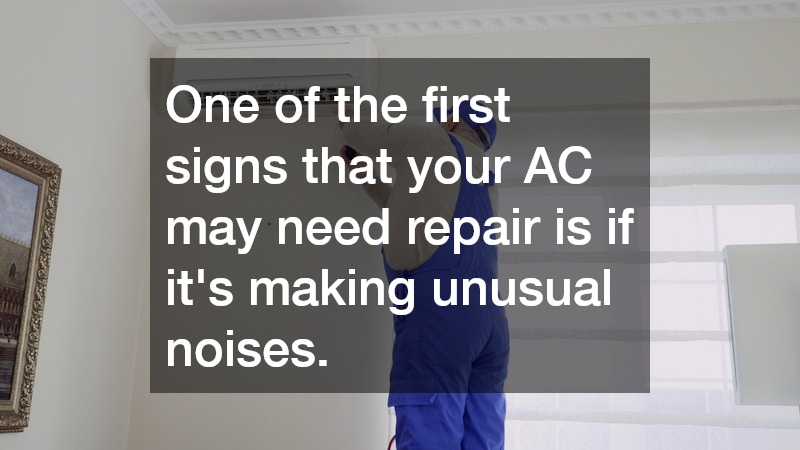
One of the first signs that your AC may need repair is if it’s making unusual noises. Strange sounds, such as grinding, squealing, or constant loud humming, could indicate that some components are not functioning correctly. Ignoring these noises might lead to more severe damage over time.
If your air conditioning system is not blowing cold air, it’s another reason to consider calling for a repair. This issue could stem from a coolant leak or a problem with the compressor. Often, a professional assessment will pinpoint the exact cause and suggest cost-effective solutions.
Another common sign is inconsistent temperature control throughout your home. Uneven cooling can result from ductwork issues, thermostat failure, or even internal system glitches. Regular AC repair can resolve these problems quickly, restoring comfort and efficiency.
Indicators for AC Replacement
When repairs become frequent and costly, it might be more economical to consider an AC replacement. An older unit approaching or exceeding the 15-year mark may not be worth repairing repeatedly. The efficiency and reliability of newer models can significantly reduce your energy bills.
If your unit uses outdated refrigerants like R-22, replacing the AC is wise since these are no longer environmentally compliant or supported. Transitioning to a modern system that uses eco-friendly refrigerants benefits both your wallet and the planet. Newer technologies in air conditioning can vastly improve your overall home comfort.
Occasional breakdowns that leave you without cooling during peak seasons can indicate the need for a new unit. Reliability becomes crucial when preventing heat discomfort, and a replacement ensures uninterrupted operation. A new system typically comes with a warranty, providing peace of mind against unexpected issues.
Cost Considerations for Repair and Replacement
The cost implications of AC repair versus replacement can significantly influence your decision. Repairing might be less expensive short-term, especially if the issue is minor. However, frequent repairs can add up, making replacement a more financially viable option in the long run.
Replacement costs can be daunting, but new technology can offset installation expenses by improving energy efficiency and reducing monthly bills. Energy Star-rated systems, for example, use less energy than older models, offering long-term savings. Evaluating your budget against the benefits is essential for making a confident decision.
Financial incentives, such as rebates or tax credits for energy-efficient upgrades, can lessen the replacement cost burden. Utility companies and government programs often provide support for upgrading to more efficient systems. Exploring these options can make replacing your AC more affordable.
Determining the right time for AC repair or replacement hinges on understanding the signs and weighing the economic factors. By staying informed and proactive, you can ensure your home remains comfortable throughout the year. Regular maintenance and timely repairs can increase your AC unit’s lifespan, but recognizing when to replace it is vital for optimal performance.
Ultimately, the decision should rest on the unit’s age, reliability, and your home’s specific needs. Consult a professional to evaluate your system and provide precise recommendations. The choice between repair or replacement includes considering long-term benefits, immediate comfort needs, and overall cost-efficiency.
Whether you choose to repair your AC or upgrade to a new model, maintaining your system’s health ensures effective home cooling. By using the knowledge from this guide, you can make informed decisions that align with your financial and environmental goals. Enjoy the peace of mind that comes from having a fully functional air conditioning system that suits your unique lifestyle.