Disclaimer: Benro Properties. This site provides home improvement content for informational purposes only.
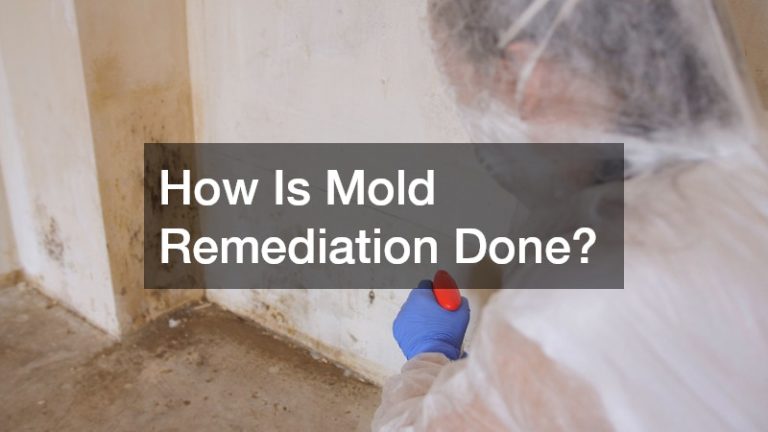
Mold can be a silent yet dangerous intruder in our homes. While it might not always be visible, its presence can lead to severe health issues and structural damage if left untreated. Mold remediation is the process of identifying, removing, and preventing the recurrence of mold in a residential or commercial space. Understanding how mold remediation is done helps homeowners make informed decisions and ensures their environment remains safe and healthy.
In this blog post, we will delve into the steps involved in effective mold remediation methods so you can tackle any mold issues you might encounter.
Step 1: Assessment and Inspection
The first step in mold remediation is a thorough assessment and inspection of the affected area. Professionals will look for visible signs of mold, such as spots on walls, ceilings, or floors, and use specialized equipment to test the air quality. The aim is to identify not just where the mold is visible, but also to determine how far it may have spread. This step is crucial because if the mold growth is not fully identified, it may return even after remediation efforts. Assessing the situation also includes evaluating the moisture conditions that allowed the mold to thrive. Understanding these conditions is vital for implementing effective remediation and developing long-term prevention strategies.
Step 2: Containment of the Mold
Once the assessment is complete, the next step is to contain the mold to prevent it from spreading during the remediation process. This often involves sealing off the affected area using plastic sheeting and creating negative pressure in the space. This means that even if spores are disturbed during removal, they won’t spread to unaffected areas of the home. Professional mold remediators may also use air filtration devices to capture airborne spores, ensuring that the environment remains as safe as possible during the removal process. This containment strategy is essential because mold spores are microscopic and can easily travel through the air, making it easy for contamination to spread if not properly managed.
Step 3: Removal of Contaminated Materials
After containing the mold, the next step involves removing any contaminated materials. This can include drywall, carpeting, insulation, and wood that has been compromised by mold growth. It’s essential to dispose of these materials properly to prevent any chance of mold re-establishing itself in the environment. It’s worth noting that while some surfaces can be cleaned, porous materials often need to be replaced. Additionally, any items that cannot be adequately cleaned should be disposed of to ensure full removal. This process may seem drastic but is necessary for a successful mold remediation job to prevent recurrence.
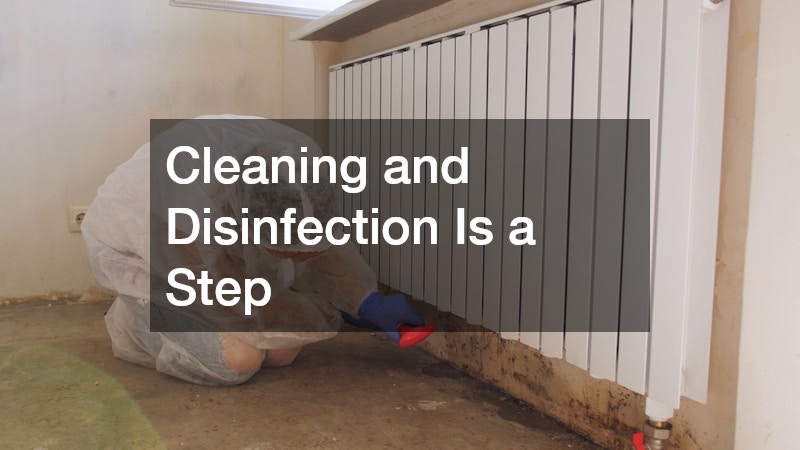
Step 4: Cleaning and Disinfection
Once the contaminated materials are removed, the next phase involves cleaning and disinfecting the area. This includes using specialized cleaning solutions designed to kill mold spores on the surfaces that can be salvaged. Professionals will typically use products that meet regulatory standards to ensure comprehensive cleaning. This cleaning process is crucial because it eliminates any remaining spores and addresses concerns over potential allergens. Furthermore, additional measures such as HEPA vacuuming and the use of antimicrobial treatments may be employed to enhance the thoroughness of the cleaning. By ensuring a deep clean, the likelihood of mold returning is significantly reduced.
Step 5: Restoration and Prevention
The final step in mold remediation is restoration, which involves repairing or replacing the materials that were removed. This could mean installing new drywall, replacing carpets, or fixing any structural damage that occurred due to the mold infestation. It’s important to address the underlying causes of mold growth during this stage, which often involves implementing improved ventilation systems or controlling humidity levels in the home. Homeowners may also consider dehumidifiers to help maintain optimal indoor conditions. By taking proactive measures to control moisture, you not only address the immediate issue but also set a framework for preventing potential mold problems in the future.
Mold remediation is a meticulous process that requires expertise and diligence. From assessment to restoration, each step plays a vital role in ensuring that mold is not only removed but also that the conditions that allowed it to grow are addressed. Whether you choose to tackle mold issues yourself or hire a professional service, understanding these steps will empower you to make informed choices. Remember that effective mold remediation can have a lasting impact on your health and the integrity of your property. Don’t let mold take over; act swiftly and decisively to reclaim your space and breathe easy again.