

Disclaimer: Benro Properties. This site provides home improvement content for informational purposes only.
Buying or maintaining a home often feels straightforward until a home inspection turns up issues you never knew existed. Many of the most expensive problems hide behind walls, under floors, or outside in the yard where they go unnoticed for years. Understanding what inspectors commonly find can help you budget for repairs, negotiate a better deal, or simply protect the home you already own. This guide walks through the hidden trouble spots that tend to surface only once someone starts looking closely.
Outdated Electrical Panels and Wiring
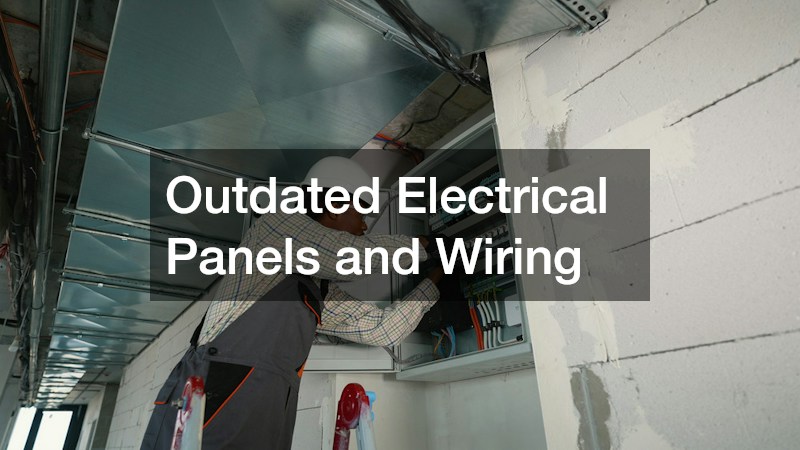
Older homes frequently hide electrical systems that were adequate decades ago but cannot safely handle today’s appliances and devices. Inspectors often find outdated fuse boxes, aluminum wiring, or knob-and-tube systems tucked behind walls that look perfectly fine on the surface. These issues rarely announce themselves until an inspection, since the home may function normally day to day while quietly posing a fire risk.
If an inspection flags wiring concerns, it is worth bringing in a licensed electrician before closing on the home or starting any renovation. A professional can determine whether the panel needs a full replacement or whether targeted repairs will bring the system up to code. Ignoring this finding can lead to insurance complications down the road, since many carriers hesitate to cover homes with known electrical hazards.
- Flickering lights or warm outlets can signal deeper wiring problems
- Double-tapped breakers are a common red flag inspectors note
- Homes built before 1980 are more likely to have aluminum wiring
- Insurance companies often require updates before issuing a policy
Roof Damage Hidden From Street View
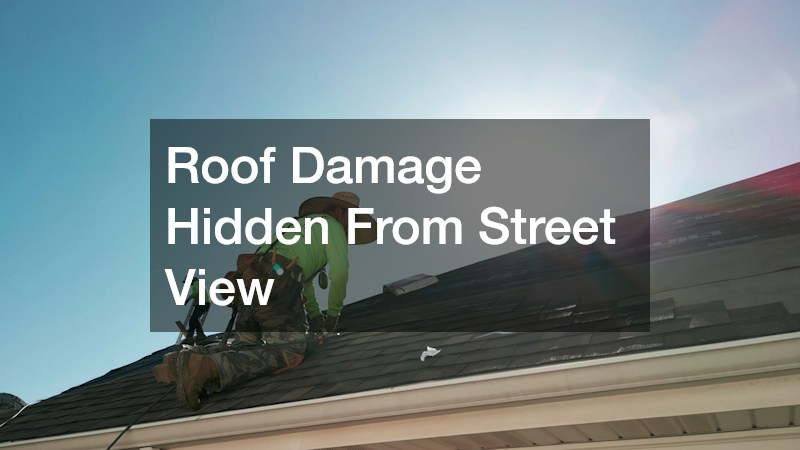
A roof can look fine from the driveway while hiding cracked flashing, worn underlayment, or soft spots that only become obvious once someone climbs up for a closer look. Inspectors frequently find granule loss, damaged vents, or improperly sealed seams that homeowners never noticed because the leaks had not yet made their way inside. By the time a stain appears on the ceiling, the damage underneath has usually been building for a while.
Getting a second opinion from experienced roofers is a smart move when an inspection report raises concerns about roof condition. They can assess whether the issue is cosmetic or structural and give a realistic timeline for how much longer the current roof will last. Catching these problems early often means the difference between a simple patch job and a full replacement.
- Curling or missing shingles suggest the roof is nearing the end of its life
- Pooling water on flat roofs can indicate drainage problems
- Rusted flashing around chimneys is a common source of hidden leaks
- Attic inspections often reveal roof damage before it shows up inside the home
Sewer Lines and Underground Drainage Problems
Few homeowners think about what is happening underground until a toilet backs up or a foul smell appears in the yard. Tree roots, shifting soil, and aging pipe materials can all cause slow, hidden damage to the sewer lateral that connects a home to the municipal line. These problems are notoriously difficult to spot without specialized equipment, which is why they so often surface during a thorough inspection.
When a problem is suspected, professionals typically recommend sewer line camera inspections to get a clear picture of what is happening inside the pipe without digging up the entire yard. This technology allows for a precise diagnosis, whether the issue is a minor clog or a collapsed section of pipe. If the camera reveals significant damage, sewer lateral repair is often the next step, and catching the problem early through this method can save thousands of dollars compared to waiting until a full backup occurs.
- Slow drains throughout the house can point to a lateral line issue
- Sewage odors in the yard often mean a break below the surface
- Older clay or cast iron pipes are more prone to cracking over time
- Camera inspections help avoid unnecessary excavation
Foundation Cracks and Structural Shifting
Foundation issues are among the most feared findings in any inspection report, and for good reason, since they can affect the safety and value of the entire home. Hairline cracks are common and often harmless, but wider cracks, uneven floors, or doors that no longer close properly can signal more serious settling. Soil conditions, drainage problems, and poor original construction all contribute to these issues over time.
An inspector will typically recommend a structural engineer evaluate anything beyond minor cosmetic cracking before a sale moves forward. Addressing drainage around the foundation, regrading the yard, or installing additional support can often resolve problems if they are caught early. Waiting too long tends to turn a manageable repair into a much larger and costlier project.
- Stair-step cracks in brick or block foundations deserve extra attention
- Gaps around window frames can indicate shifting
- Sloped floors are often a sign of settling rather than normal aging
- Poor grading around the home can accelerate foundation damage
Basement Moisture and Water Intrusion
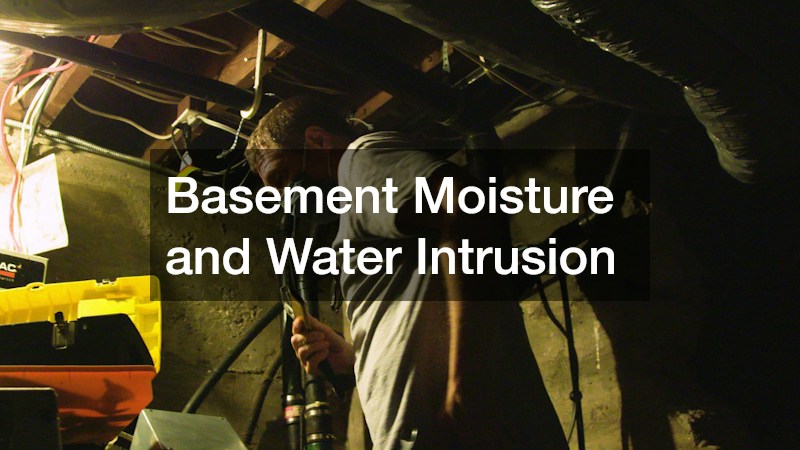
Basements are notorious for hiding moisture problems that only become obvious during a heavy rain or a professional inspection with the right tools. Musty odors, efflorescence on walls, and peeling paint are all subtle signs that water has been finding its way in for some time. Left unaddressed, this moisture can lead to mold growth and compromised structural materials.
Homeowners who are considering basement remodeling should always resolve underlying moisture issues before finishing walls or installing flooring, since covering up a wet basement only hides the problem temporarily. A proper waterproofing plan might include exterior grading, interior drainage systems, or a sump pump, depending on the source of the water. Taking care of these repairs first protects the investment made in any future renovation.
- Efflorescence, a white chalky residue, indicates water has passed through concrete
- Musty smells often mean mold is present even if it is not visible
- Cracks in basement walls can allow groundwater to seep in
- Finishing a basement before fixing leaks can trap moisture behind new walls
Aging Heating and Cooling Equipment
HVAC systems are easy to overlook during a casual walkthrough but become a major focus during a formal inspection, especially in homes where the equipment is original or poorly maintained. Inspectors often find rusted components, inadequate ductwork, or systems that are simply too old to run efficiently. These issues might not be obvious to a homeowner who has grown used to a noisy or inconsistent system over the years.
Getting an estimate from a qualified heating and air conditioning company can clarify whether the existing system needs repair or full replacement. This is particularly important in extreme climates, where a failing system is not just an inconvenience but a genuine safety concern. Knowing the age and condition of the equipment also helps buyers negotiate repair credits during the closing process.
- Systems older than fifteen years are often flagged for replacement
- Uneven heating or cooling throughout the home can indicate duct problems
- Strange noises or odors from vents warrant a professional look
- Regular maintenance records can reassure buyers about system condition
Fences and Exterior Boundary Issues
Exterior features like fencing rarely make it onto a buyer’s radar until an inspector points out rust, rot, or leaning posts that suggest years of neglect. Wood fences are especially prone to hidden rot near the ground line, where moisture collects and slowly weakens the structure from the inside out. These issues are easy to miss during a quick visual tour but become clear once someone examines the posts and connections closely.
Many homeowners are now switching to aluminum fences specifically because they resist the rust and decay that plague older wood and iron options. While no material is entirely maintenance free, aluminum holds up well against weather extremes and requires far less upkeep over time. This can be a useful selling point to mention if an inspection reveals that existing fencing needs replacement.
- Leaning or wobbly posts often indicate rotted or loose footings
- Rust stains on metal fencing can signal deeper corrosion
- Gate alignment issues sometimes point to shifting ground beneath posts
- Replacing an aging fence can improve both safety and curb appeal
Custom Features That Complicate Resale Value

Not every inspection finding is about damage or disrepair, since sometimes the issue is a mismatch between custom features and what a buyer actually wants. Built-in shelving, specialty cabinetry, and unique layouts can be beautiful but may not appeal to everyone, which inspectors and appraisers sometimes note when assessing overall market value. A converted garage, a sunken living room, or a home office carved out of a former bedroom can all shrink the pool of interested buyers, even when the work was done well. Appraisers tend to be conservative with these spaces because comparable sales are hard to find. If no similar home in the neighborhood has the same layout or finish, the appraiser may discount the feature’s value entirely rather than guess at what it’s worth, which can leave sellers surprised when the number comes in lower than expected. Highly personalized spaces can also make it harder to estimate the cost of future repairs if materials are unusual or difficult to source. Imported tile, custom-milled woodwork, or a hand-built wine cellar might need specialty contractors instead of a general handyman, and replacement parts can take weeks to order rather than days. Inspectors often flag these items simply to put buyers on notice, since even small repairs can carry a higher price tag and a longer timeline than standard materials would. Homeowners planning a renovation can reduce this risk by sticking to finishes and layouts with broader appeal, or by keeping documentation on materials and installers so future owners aren’t left guessing. A simple binder or digital file with product specs, warranty information, and contractor contacts can turn a potential red flag into a selling point.
Homes with custom builtin cabinets often stand out positively, but only if the craftsmanship holds up to scrutiny and the design feels timeless rather than overly specific to one owner’s taste. Inspectors typically check whether the units were properly anchored to wall studs rather than just drywall, since poorly secured cabinetry can shift or pull away over time. A bold color choice or an unusual layout, such as shelving built around a single collection or hobby, can also make buyers hesitate even when the construction quality is excellent. Similarly, kitchens featuring custom countertops can boost perceived value, though inspectors will still check for seam separation, water damage, or improper sealing around sinks and edges. Material matters here too: natural stone like granite or marble can develop hairline cracks or etching from acidic spills, while butcher block surfaces require regular resealing to prevent moisture damage underneath. Even a visually stunning countertop can lose its appeal fast if an inspection reveals soft spots in the cabinetry beneath it or signs of long-term leaking. Buyers should view these upgrades as a bonus rather than a replacement for solid underlying systems and structure. A home with dated plumbing or an aging roof won’t be saved by a beautiful kitchen island, no matter how custom the finishes. Prioritizing inspection results over aesthetic appeal ultimately protects both the offer price and the long-term value of the investment.
- Unique built-ins (wine cellars, aquariums, elaborate shelving) can limit furniture placement and appeal to a narrower pool of future buyers
- Quality of construction matters more than the novelty of the feature — a poorly framed wine cellar is a liability, not a selling point
- Custom work should be inspected for proper installation, not just appearance, since hidden issues like inadequate support or improper electrical/plumbing tie-ins often lurk behind attractive finishes
- Permits matter: unpermitted additions or built-ins can create problems during appraisal or title transfer, even if the workmanship is solid
- Well-maintained custom features can still boost resale value significantly, especially kitchen upgrades or home offices that appeal to broad buyer demand
- Highly personalized features (home theaters, niche hobby rooms) may need a conversion cost estimate so buyers can gauge flexibility
Hidden home problems are far more common than most buyers and homeowners expect, which is exactly why a thorough inspection matters so much. Knowing what to look for, and which professionals to call when something turns up, can save significant time, money, and stress down the line. Whether the issue involves wiring, plumbing, the roof, or the foundation, addressing it early almost always costs less than waiting. Use this guide as a starting point for conversations with your inspector and any specialists needed to get a clear, honest picture of the home’s true condition.