Disclaimer: Benro Properties. This site provides home improvement content for informational purposes only.
A swimming pool can be a fantastic addition to any home, providing a place to relax, exercise and spend quality time with family and friends. However, maintaining a pool requires regular attention. Cleaning debris, managing water levels and keeping the water at a suitable temperature can all take time and effort.
One way to make pool ownership more manageable is by installing a suitable cover. With several types available, choosing the right one depends on your pool, lifestyle, budget and priorities.
Understanding the main options can help you determine which cover is best for your property.
Consider a Solar Pool Cover
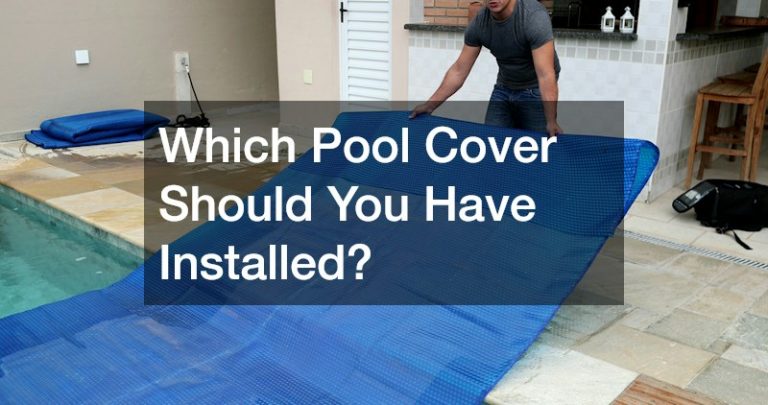
Solar pool covers are designed to sit on the surface of the water and can help reduce evaporation. They may also help retain some of the pool’s warmth, making them an option for homeowners who want to manage water temperature.
These covers are generally lightweight and can be suitable for pools that are frequently used. However, they may need to be removed and stored when the pool is in use. If convenience is important, ask a pool cover company about available handling and storage options.
Look at Automatic Pool Covers
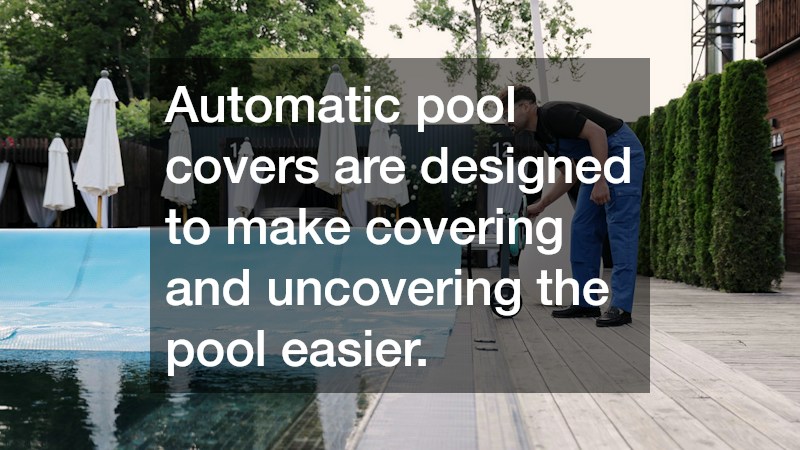
Automatic pool covers are designed to make covering and uncovering the pool easier. Depending on the system, the cover can be extended across the water and retracted using a motorised mechanism.
This can be particularly convenient for busy households that want to cover the pool regularly without manually handling a large sheet of material. Automatic systems can also provide a neat appearance when installed correctly.
The initial investment can be higher than simpler options, so consider the installation requirements, ongoing maintenance and available features before making a decision. A professional pool cover company can help you understand which automatic systems are compatible with your pool.
Explore Safety Covers
Safety is an important consideration for any household with a swimming pool. Some covers are specifically designed to provide a stronger barrier across the pool when it is not being used. However, homeowners should understand that not every pool cover is a safety cover.
If safety is one of your main priorities, ask about the specific design, materials and weight-bearing capabilities of the product. Pool covers should also be considered alongside appropriate pool fencing and other safety measures rather than automatically being treated as a replacement for them.
A qualified pool cover company can explain the intended purpose of different products and help you select an option appropriate for your circumstances.
Consider Retractable Options
Retractable pool covers can provide a balance between protection and convenience. The cover can be moved away when you want to use the pool and extended when the pool is not being used.
This option may appeal to homeowners who want the benefits of covering their pool without having to permanently leave the cover in place. Retractable systems are available in different designs, so it is important to consider the size and shape of your pool as well as the available space around it.
Professional installation can also be important because the system needs to operate smoothly and fit appropriately within the pool area.
Think About Your Local Climate
Your local weather conditions should influence your decision. Homes exposed to strong sunlight may benefit from a cover that helps limit evaporation and manage heat. Properties surrounded by trees may benefit from a cover that reduces the amount of leaves and debris entering the water.
Wind is another consideration. Lightweight covers may be more difficult to manage in exposed locations, so homeowners should discuss their property’s conditions with a professional before choosing a product.
Consider Maintenance Requirements
Every pool cover requires some level of care. Dirt, leaves and other debris should generally be removed according to the manufacturer’s recommendations, and mechanical systems may require additional servicing.
Before purchasing, ask how the cover should be cleaned, stored and maintained. Understanding these responsibilities can help you choose an option that fits comfortably into your normal pool-care routine.
It is also sensible to ask about warranties and replacement components. A reputable pool cover company should be able to explain the expected maintenance requirements and provide information about the system’s ongoing care.
Choose the Right Installation Professional
Selecting the cover is only part of the process. Professional installation can help ensure the product is appropriately fitted and operates as intended. An experienced installer can assess your pool’s dimensions, surrounding space and individual requirements before recommending a solution.
Avoid choosing a cover based solely on its initial price. A cheaper option may not provide the features, durability or convenience you need, while a more expensive system may offer better long-term value.
Ultimately, the right pool cover should suit the way you use your pool and the conditions around your home. Speaking with a trusted pool cover company can help you compare your options, understand installation requirements and choose a system that makes pool ownership easier and more convenient.