
Disclaimer: Benro Properties. This site provides home improvement content for informational purposes only.
Homeownership comes with an endless stream of decisions regarding maintenance, remodeling, and routine upkeep. While some home improvements are purely cosmetic and take years or even decades to yield financial returns, others begin putting money back into your pocket almost immediately. Prioritizing projects that reduce monthly utility expenses, prevent major structural repair costs, and optimize energy efficiency allows you to enjoy a more comfortable living environment while building real equity. By making targeted improvements to your property’s core infrastructure, you can substantially trim operational costs without sacrificing daily convenience.
The key to maximizing return on investment lies in identifying high-friction points where energy, water, or money is consistently wasted. Small thermal leaks in the ceiling, inefficient heating and cooling equipment, leaky plumbing fixtures, and neglected exterior surfaces quietly drain thousands of dollars from household budgets over time. Investing in proactive upgrades converts these ongoing expenses into long-term financial assets. In the detailed guide below, we explore ten high-impact home upgrades designed to recover their initial installation costs rapidly while elevating your overall quality of living.
Sealing Drafts and Upgrading Attic Insulation to Stop Energy Leaks
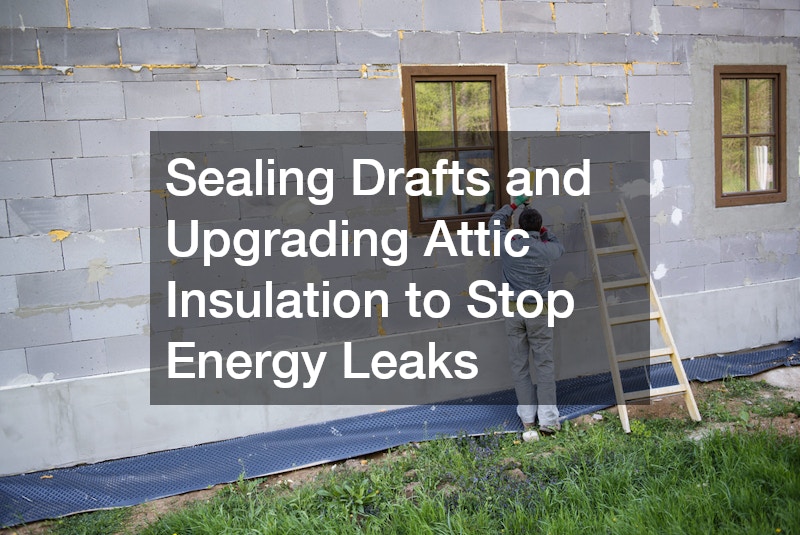
Conditioned air escaping through the top of your house represents one of the most significant energy drains in modern residential properties. During winter months, warm air naturally rises and escapes through unsealed bypasses in the ceiling, while summer heat radiates downward through inadequately insulated attics. Addressing air leaks around recessed lights, chimney flues, and access hatches creates an airtight thermal envelope that keeps conditioned air where it belongs. Adding blown-in cellulose or fiberglass insulation on top of this newly sealed barrier prevents dramatic temperature swings across different rooms in your house. The reduction in thermal transfer allows your HVAC equipment to run less frequently, immediately lowering monthly utility expenditures.
Homeowners who take time to address drafty spaces often recoup their material and labor investments in under two years through utility bill reductions alone. Professional insulation companies utilize specialized blower door tests and thermal imaging cameras to pinpoint exact areas where thermal loss occurs across your living spaces.
Key Focus Areas for Air Sealing:
- Attic hatch panels: Apply foam tape weatherstripping along the lip and rigid foam insulation on top of the door.
- Recessed light cans: Install fire-rated airtight covers over older fixtures extending into unconditioned attic space.
- Plumbing vent stacks: Seal oversized openings around PVC pipes using expanding foam or flashing collars.
- Electrical wire penetrations: Fill gaps in top plates where electrical lines enter the attic space.
By eliminating thermal bypasses and bolstering your insulation levels to modern regional standards, you protect your home against harsh seasonal weather conditions. Consistent indoor temperatures reduce wear and tear on mechanical systems, which extends the operating life of your mechanical units and prevents early equipment failure. Furthermore, proper attic insulation minimizes the risk of ice dam formation in colder climates, shielding your gutters and eaves from structural damage during heavy winters. Investing in high-performance insulation is ultimately one of the simplest and fastest ways to lock in predictable energy savings year-round.
Installing a Programmable Smart Thermostat for Automated Savings
Manual thermostats require constant physical adjustments to maintain comfort, which frequently leads to unnecessary heating or cooling when a home is unoccupied. Upgrading to a modern smart thermostat resolves this inefficiency by learning your family’s daily schedules and adjusting temperature setpoints automatically. Advanced sensors detect when rooms are empty and dynamically shift into eco-modes to conserve electricity and natural gas. Additionally, geofencing features allow the thermostat to monitor your smartphone’s proximity, cooling down or warming up the interior right as you pull into the driveway. This automated climate control ensures that you never pay to condition an empty home while still enjoying ideal comfort upon arrival.
Integrating a smart thermostat into your home allows for precise scheduling that aligns perfectly with time-of-use utility rates. Consulting with an experienced local heating company ensures your new smart control board is correctly wired to your existing mechanical setup, preventing system short-cycling or damage.
Beyond automated temperature adjustments, smart thermostats offer detailed energy usage reports that empower you to make informed decisions about your daily consumption habits. You can track peak heating hours, monitor seasonal usage spikes, and set target budget goals directly within intuitive mobile applications. Many models also provide proactive alerts when air filters need replacement or when equipment exhibits unusual temperature resistance. These timely reminders protect your compressor and furnace blowers from straining against restricted airflow, keeping energy bills consistently low.
Swapping Out Dated Water Heaters for Energy-Efficient Hybrid Models
Water heating accounts for a massive portion of the average household’s total energy budget, trailing only primary space heating and cooling. Traditional tank-style water heaters continuously run heating elements or gas burners to maintain a large volume of hot water around the clock, regardless of whether anyone is using it. Transitioning to a high-efficiency hybrid heat pump water heater slashes electrical usage by drawing ambient heat out of the surrounding air and transferring it directly into the water storage tank. These units operate up to three times more efficiently than standard electric resistance models, generating hundreds of dollars in energy savings every year.
Because hybrid heat pump water heaters extract ambient warmth from their environment, they offer the added benefit of naturally dehumidifying basement spaces during humid summer months. When mechanical issues or wear occur on existing systems, scheduling prompt water heater repair keeps your unit running at peak efficiency while you plan for an eventual high-efficiency replacement.
Top Benefits of Hybrid Water Heaters:
- Massive Energy Reduction: Consumes up to seventy percent less electricity than traditional tank models.
- Multiple Operating Modes: Allows users to switch between Hybrid, Electric-Only, and Vacation settings.
- Integrated Dehumidification: Pulls excess moisture out of surrounding basement air during operation.
- Longer Operating Lifespan: Built with durable materials designed to outlast standard budget tanks.
Making the move to an energy-efficient water heating solution provides an immediate drop in monthly electric expenses that continues for the life of the appliance. Federal energy tax incentives, state energy efficiency rebates, and local utility grants often cover a substantial portion of the initial equipment purchase cost. Combined with lower monthly operational costs, these financial incentives dramatically compress the payback period for this home upgrade. As a result, homeowners enjoy reliable hot water on demand while freeing up household capital for other property improvements.

Upgrading Kitchen and Bathroom Fixtures to Low-Flow Technology
Outdated faucets, showerheads, and toilets consume vast quantities of water with every single use, inflating municipal utility bills unnecessarily. Modern low-flow fixtures utilize advanced aeration technology to maintain strong water pressure while drastically reducing overall volumetric flow rate. Replacing older fixtures with WaterSense-certified options cuts household water consumption by thousands of gallons annually without compromising comfort or wash performance. Reduced hot water usage directly decreases the energy required by your water heater, creating a dual-benefit return on investment. The combined savings on water delivery, sewer disposal, and water heating energy allow these fixtures to pay for themselves in just a few months.
Upgrading your fixtures also reduces physical wear on supply lines, valves, and drainage systems throughout your residence. Engaging licensed professionals for full plumbing services guarantees that new fixture connections meet current building codes and remain leak-free over time.
Installing modern low-flow hardware instantly transforms the aesthetic appeal of your kitchen and bathrooms while delivering tangible functional benefits. Updated finishes like matte black, brushed nickel, or classic chrome give spaces a clean, modern look that appeals strongly to prospective home buyers. Additionally, preventing subtle internal leaks through high-quality internal cartridge valves prevents hidden water damage inside cabinet bases and subflooring. This proactive approach eliminates expensive structural repairs and mold remediation costs down the line.
Replacing Aging Air Conditioners with High-SEER Systems
Air conditioning units manufactured over a decade ago typically operate at Seasonal Energy Efficiency Ratio (SEER) ratings well below modern efficiency standards. As these older units age, their mechanical components wear down, causing them to draw significantly more electricity to achieve basic cooling goals. Upgrading to a modern, high-SEER central air conditioning system or multi-zone mini-split configuration slashes summer electric bills while dramatically enhancing indoor humidity control. Modern variable-speed compressors adjust their output continuously in response to actual indoor thermal demands, rather than blasting at full power and shutting down repeatedly. This steady, low-speed operation eliminates uncomfortable temperature swings and reduces energy consumption.
Investing in a modern air conditioner lowers summer utility spikes while providing whisper-quiet indoor and outdoor operation. Arranging for a professional air conditioning installation guarantees correct system sizing, proper refrigerant charging, and optimized airflow delivery throughout every room in your home.
Advantages of Variable-Speed Cooling:
- Consistent Temperature Control: Eliminates hot and cold spots across different floors and rooms.
- Superior Moisture Removal: Operates continuously at low speeds to extract humidity effectively.
- Reduced Sound Levels: Runs quietly without the loud startup noise associated with single-stage units.
- Lower Utility Bills: Consumes significantly less power during long peak-summer cooling periods.
The quick financial payback of a high-efficiency cooling system is bolstered by available energy rebates and federal tax credits targeting energy-efficient home improvements. Furthermore, prospective home buyers heavily prioritize updated HVAC infrastructure, knowing they will not face emergency replacement expenses shortly after purchasing. The combination of monthly power bill reductions, improved personal comfort, and boosted home marketability makes cooling upgrades a sound financial investment. Over the course of a single summer season, the drop in electric expenses provides clear proof of the upgrade’s value.
Servicing and Tuning Up Your Existing HVAC Units Annually
Even high-efficiency heating and cooling equipment degrades rapidly in performance when routine maintenance is neglected over several consecutive seasons. Dust buildup on evaporator coils, miscalibrated electrical components, and clogged condensate lines force systems to work much harder than necessary to condition your air. Annual professional tune-ups clean critical components, verify proper refrigerant levels, tighten electrical connections, and restore system efficiency close to factory specifications. This low-cost preventative service reduces overall electricity and gas consumption while identifying minor component wear before it turns into an expensive system failure.
Keeping up with scheduled seasonal maintenance extends the total operating lifespan of your compressor, heat exchanger, and blower fan motors. Partnering with a skilled technician for local AC repair ensures that minor electrical or mechanical issues are diagnosed and corrected before peak summer heat arrives.
Regular servicing also protects your home’s indoor air quality by removing dirt, pollen, and debris that accumulate inside air handler compartments. Clean internal components allow air to pass through freely, reducing static pressure inside your ductwork and protecting blower motors from overheating. Many manufacturer warranties explicitly require documented annual maintenance to keep replacement parts covered, adding an additional layer of financial protection. Spending a modest amount on annual servicing consistently prevents multi-thousand-dollar emergency replacements and keeps monthly energy expenses predictably low.

Maintaining Furnace Performance to Prevent Sudden Winter Breakdowns
A heating system failure during cold winter months presents significant safety risks and can cause severe property damage from frozen, burst water pipes. Beyond safety concerns, an unmaintained furnace burns substantially more fuel to generate heat, resulting in unnecessarily high gas or electric utility bills. Inspecting gas burners, cleaning flame sensors, checking heat exchangers for cracks, and replacing air filters ensures fuel burns cleanly and efficiently. Optimizing combustion efficiency allows your furnace to extract maximum heat energy from every therm of fuel consumed, reducing operational waste throughout the coldest months of the year.
Routine maintenance also preserves balanced airflow across your home’s duct network, preventing rooms farthest from the furnace from feeling chilly. Scheduling comprehensive Heating services before the cold season begins ensures your heating system is calibrated for safety, fuel economy, and consistent warm air distribution.
Essential Heating Tune-Up Tasks:
- Burner Assembly Cleaning: Removes carbon deposits to ensure complete and efficient gas combustion.
- Igniter & Sensor Check: Cleans flame sensors to prevent unexpected system lockouts and safety shutdowns.
- Heat Exchanger Inspection: Verifies structural integrity to protect against dangerous carbon monoxide leaks.
- Blower Assembly Lubrication: Reduces friction on fan motors to optimize airflow efficiency.
Investing in preventative winter maintenance eliminates energy waste and safeguards your property against catastrophic plumbing leaks caused by freezing temperatures. The small cost of annual furnace servicing is quickly offset by reduced natural gas consumption and the total avoidance of emergency repair calls during severe weather events. By prioritizing system maintenance each autumn, you secure uninterrupted indoor warmth while keeping winter heating expenses manageable.
Fixing Minor Roof Vulnerabilities Before Water Damage Escalates
Your roof serves as the primary barrier against rain, wind, hail, and extreme solar radiation. Over time, missing shingles, deteriorated pipe boot flashing, and cracked sealant around skylights create tiny pathways for water intrusion. If left unaddressed, minor roof leaks quietly rot wooden roof decking, destroy ceiling drywall, ruin attic insulation, and foster structural mold growth. Fixing small roof vulnerabilities immediately costs a fraction of what full-scale water damage restoration demands, making spot repairs one of the highest-ROI maintenance tasks a homeowner can perform.
Regular inspections after severe weather events allow you to catch missing or lifted shingles before heavy rains drive moisture into subflooring and framing. Reaching out to a reliable roof repair contractor ensures that flashing repairs and shingle replacements are executed with correct waterproofing underlayments.
Prompt roof repairs also protect the thermal integrity of your attic insulation, as wet insulation completely loses its R-value and ability to resist heat transfer. Keeping your attic space dry prevents wood rot along trusses and rafters, maintaining the structural framing of your home for decades. Addressing minor roof issues early preserves home resale value by ensuring your property easily passes pre-sale structural inspections. Taking a proactive approach to roof maintenance protects your financial investment and prevents costly surprise expenses down the road.
Upgrading Overhead Protection to Reflective Cool Roofing Materials
Traditional dark asphalt shingles absorb immense heat from direct sunlight, transferring thermal energy straight down into your attic and upper living spaces. In warm climates or during intense summer heatwaves, this thermal load forces your air conditioner to run constantly to maintain indoor comfort. Upgrading to cool roofing materials—such as light-colored reflective shingles, standing seam metal roofs, or specialized reflective coatings—radically alters how your home interacts with solar radiation. Reflective roofing surfaces bounce solar rays away from the structure, lowering roof surface temperatures by up to fifty degrees Fahrenheit during peak afternoon hours.
Lowering attic heat gain substantially reduces summer cooling loads, leading to noticeable reductions in monthly electrical power costs. Working alongside professional roofing contractors allows you to select durable, reflective materials tailored to your regional climate and neighborhood aesthetics.
Key Advantages of Cool Roofing Systems:
- Lower Attic Temperatures: Prevents intense heat buildup from radiating into living spaces below.
- Reduced Air Conditioner Strain: Decreases compressor run times during peak afternoon temperatures.
- Extended Roof Lifespan: Minimizes thermal expansion and contraction stress on roofing substrates.
- Enhanced Environmental Sustainability: Helps reduce local urban heat island effects in densely populated areas.
In addition to utility savings, many cool roofing products feature superior wind resistance, fire ratings, and impact resistance against hail damage. Insurance providers frequently offer premium discounts for homes upgraded with impact-resistant metal or architectural roofing products. Combined with extended manufacturer warranties, these financial benefits make reflective roofing upgrades a highly cost-effective exterior improvement. Over the life of the roof, the accumulated energy savings and reduced maintenance needs deliver an exceptional return on investment.

Replacing Outdated Shingles With High-Durability Architectural Options
Aging, three-tab asphalt shingles lose their protective mineral granules over time, leaving the underlying felt substrate exposed to rain and ultraviolet degradation. As shingles curl, crack, or blow off during storms, the risk of widespread roof failure increases dramatically. Upgrading to high-durability dimensional or architectural shingles provides superior structural protection against heavy wind, rain, and hail impact. These multi-layered shingles feature higher wind resistance ratings and significantly longer product lifespans than traditional basic options, reducing long-term repair costs.
A new, high-quality roof instantly upgrades your property’s exterior curb appeal, creating a clean, well-maintained appearance that commands top market dollar. Partnering with established roofing companies ensures that your new roof includes proper ridge ventilation, ice and water shields, and comprehensive warranty coverage.
A complete roofing system replacement resolves subtle structural issues, eliminates hidden moisture traps, and guarantees long-term interior protection. Homebuyers consistently pay a premium for properties featuring newly installed roofs, knowing they will not face major exterior capital expenses for decades. The combination of increased home equity, reduced homeowner insurance premiums, and complete peace of mind makes durable shingle replacements a smart home upgrade.
Strategic home improvements do not need to be massive, expensive overhauls to deliver meaningful financial returns. By focusing on targeted upgrades—such as sealing energy leaks, modernizing HVAC and water heating systems, installing water-efficient fixtures, and reinforcing your roof—you can immediately lower monthly utility expenses while protecting your home’s structural integrity. These proactive enhancements convert recurring household overhead into long-term property equity, providing both financial relief today and elevated resale value tomorrow.
Taking a deliberate, step-by-step approach to property maintenance allows you to systematically eliminate waste across every area of your home. Start by addressing quick-payback projects like air sealing and smart thermostat installation before tackling larger mechanical or exterior improvements. Over time, the cumulative savings generated by these smart upgrades will fund further enhancements, ensuring your home remains energy-efficient, comfortable, and valuable for years to come.