
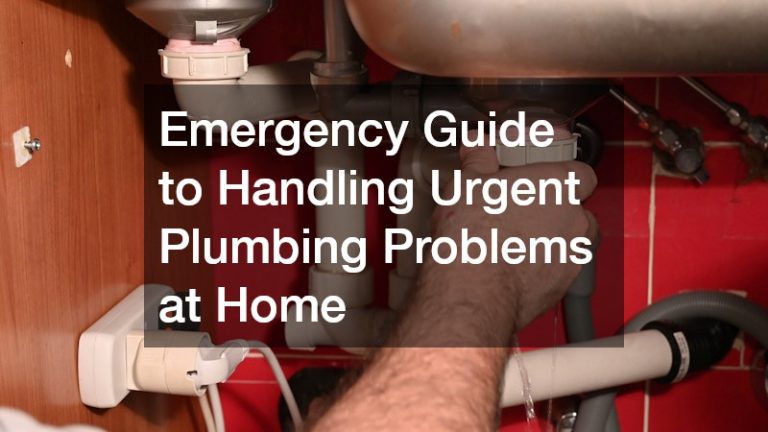
Disclaimer: Benro Properties. This site provides home improvement content for informational purposes only.
The sound of rushing water is deeply relaxing—unless it is coming from inside your walls at two o’clock in the morning. When a pipe bursts, a toilet overflows, or a water heater ruptures, your home shifts instantly into a disaster zone. Within minutes, escaping water can ruin flooring, destroy drywall, compromise electrical systems, and introduce toxic mold growth. The panic that accompanies a plumbing emergency often leads to frozen indecision or frantic actions that inadvertently make the problem worse.
Navigating a home infrastructure crisis requires immediate, calculated damage control and structured decision-making. While some minor household issues can wait, severe plumbing anomalies demand immediate triage. This guide provides an actionable roadmap. By understanding how to control the initial chaos, diagnose the issue, and safely manage your home’s systems, you can minimize property damage before professional help arrives.
First Response: The Critical First 10 Minutes of a Plumbing Crisis
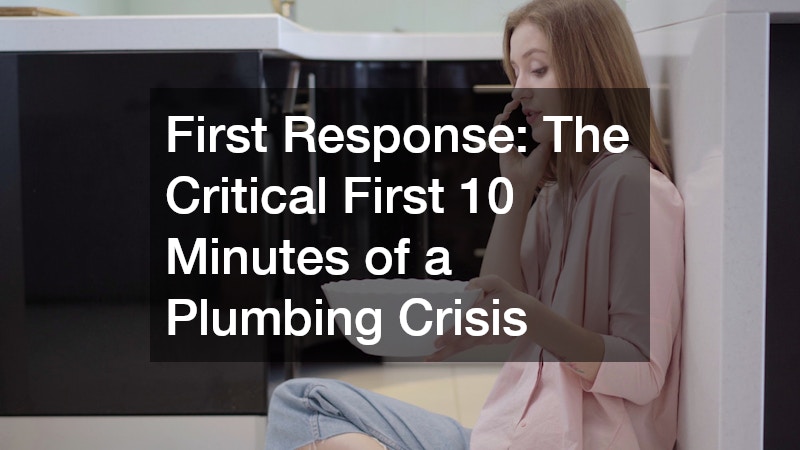
When a plumbing disaster strikes, your immediate enemy is water volume. A standard residential pipe under pressure can discharge several gallons of water per minute into your living space. Therefore, the first ten minutes dictate whether you will be dealing with a simple clean-up or a massive insurance claim.
Locate and Shut Off the Main Water Valve Immediately
The absolute first step in any major plumbing emergency is to completely cut off the supply of water entering your home. Do not waste time cleaning or investigating the leak until the flow has been stopped.
- Find the Valve: Every homeowner must know the exact location of their main water shut-off valve. This valve is typically located on the perimeter wall where the main line enters the structure, often near the water meter, inside a basement, utility closet, or garage.
- Operate the Valve: For a gate valve (round wheel handle), turn it clockwise firmly until it stops. For a modern ball valve, turn the straight lever handle exactly 90 degrees so that it rests perpendicular to the pipe.
- Drain the System: Once closed, open the lowest and highest faucets in your home. This relieves residual pressure, safely draining remaining water away from the leak site rather than allowing it to continue pooling.
Address Isolated Fixture Shut-Offs
If the emergency is clearly confined to a single appliance or fixture, like an overflowing toilet, you can isolate it directly.
- Locate Local Angle Stops: Look beneath or behind the malfunctioning fixture to locate the small chrome valve connected to the supply line. Turn this knob clockwise to cut off water exclusively to that unit.
- Manage Secondary Hazards: If escaping water is pooling near electrical outlets, baseboard heaters, or your main electrical panel, do not step into the water. Go straight to your breaker box and shut off power to the affected zones immediately to eliminate the risk of electrocution.
Diagnosing Severe Clogs and Main Line Backups
While localized clogs in a bathroom sink are a minor nuisance, a blockage in your main sewer line is a full-scale emergency. A main line failure means that every drop of wastewater leaving your home has nowhere to go, causing it to back up into the lowest drains of your property, typically bathtubs, showers, and basement floor drains.
Recognizing the Signs of a Main Sewer Line Failure
Identifying a systemic main line failure early can prevent raw sewage from ruining your home’s lower levels. Look for these critical warning signs:
- Multiple plumbing fixtures clog simultaneously, such as the kitchen sink backing up whenever you run the washing machine.
- Toilets gurgle, bubble, or overflow spontaneously when water drains down a nearby shower or sink.
- Raw sewage or dark, foul-smelling water begins seeping upward through floor drains.
Advanced Clearing Methods for Major Blockages
When faced with a severe backup, your first instinct might be to pour chemical drain cleaners down the pipe. However, these corrosive chemicals rarely clear major blockages, can cause chemical burns to anyone working on the lines later, and generate intense heat that can warp older lines.
Standard hand plungers and basic mechanical snakes are designed for minor obstructions, but they lack the power to handle structural blockages deeper in the system. When tree roots infiltrate your subterranean pipes or decades of grease have solidified, industrial intervention is required. In these complex scenarios, a professional plumbing company should be contacted immediately. They possess advanced technical equipment to deliver hydro jetting services, which use specialized nozzles to blast highly pressurized water through the interior of your pipes, completely scouring the walls clean of all debris without damaging the underlying pipe structure.
Dealing With Sudden Water Heater Failures and Flooding
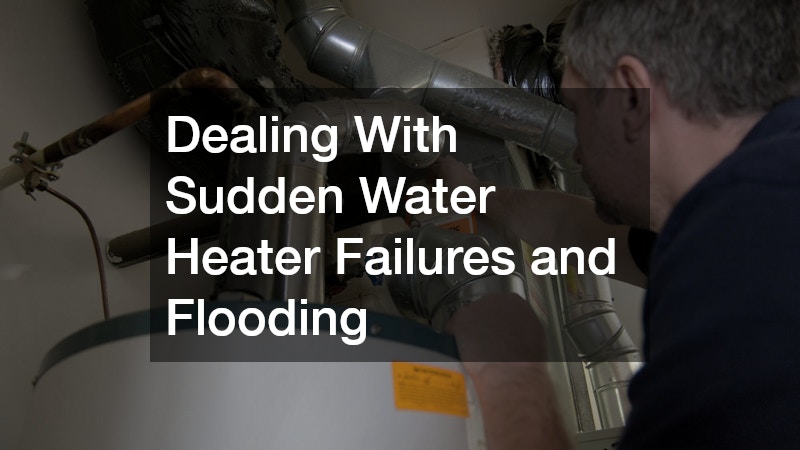
A failing water heater can quickly transition from a minor inconvenience to a catastrophic household event if the tank fails completely. Because water heaters combine high-pressure water with intense heat and high-voltage electricity or combustible gas, handling them requires extreme caution.
Safe Shutdown Procedures for Malfunctioning Units
If your water heater is actively leaking, spraying water, or making loud knocking sounds, you must deactivate its energy and water sources immediately to prevent structural damage, fires, or a dangerous pressure explosion.
- Cut the Power or Gas: For an electric water heater, locate your main electrical panel and flip the dedicated breaker switch to the “off” position. For a gas water heater, locate the gas control valve on the line leading into the thermostat unit and rotate it clockwise to shut off the fuel supply.
- Stop the Inflow of Water: Locate the cold water supply pipe entering the top of the tank. Turn the dedicated valve clockwise to prevent new, pressurized water from entering the tank and fueling the active leak.
- Avoid the Hot Water: Do not attempt to drain the tank while the water is still boiling hot, as this can result in severe scalding or cause a brittle valve to snap off entirely.
Evaluating Your Options: Restoring Hot Water Safely
Once the immediate danger has been mitigated and the unit is safely isolated, you can begin assessing the true nature of the damage. In some instances, the issue may be localized to a faulty component, such as a burnt-out electrical heating element, a malfunctioning thermostat, or a failed pressure relief valve.
These individual components can often be addressed through targeted water heater repair, extending the life of your appliance without requiring a complete overhaul. However, if you observe water actively pooling from the bottom seams of the tank jacket, it usually signifies that the internal glass lining of the reservoir has corroded and cracked. Because a breached tank cannot be welded or patched safely, discovering a structural leak means you must prepare for a complete water heater replacement to restore safe, reliable hot water functionality to your household.
Unseen Disasters: Handling Foundation and Underground Leaks
Some of the most devastating plumbing emergencies do not announce themselves with a dramatic burst pipe under the sink. Instead, they happen silently beneath the concrete foundation of your home or deep inside your yard, gradually eroding the soil.
Identifying Hidden Structural Water Leaks
A leak occurring beneath your concrete floor slab or deep within your service lines can remain hidden for weeks before exhibiting visible symptoms. Homeowners must monitor their property for subtle changes that indicate an underground crisis:
- A sudden, unexplained spike in your monthly water utility bill despite no change in daily household consumption.
- The distinct, continuous sound of rushing or hissing water behind walls or beneath the floors when every single faucet is turned completely off.
- Unexpected localized warm patches on your flooring, which frequently indicates a ruptured hot water line beneath the slab.
- Persistent dampness, cracks appearing in your drywall, or a sudden outbreak of mildew along the lower trim of your walls.
Pinpointing and Fixing Subterranean Pipe Damage
Because digging blindly through a concrete foundation can cause catastrophic structural damage to your home, modern plumbing diagnostics rely on highly advanced, non-destructive methodologies. Specialized technicians utilize subterranean acoustic listening devices, ground-penetrating radar, and thermal imaging cameras to conduct non-invasive slab leak detection, pinpointing the exact square foot where the subterranean pipe has breached.
Once the location of the failure is precisely identified, a tailored strategy for local slab leak repair can be formulated. Depending on the depth and age of the plumbing system, this may involve carefully excavating a small section of the concrete floor to replace the damaged section, routing a new bypass line through your walls to abandon the under-floor pipe entirely, or utilizing trenchless pipe-lining technologies to seal the leak from the inside out, preserving your foundation.
When to DIY vs. When to Call the Professionals
In the age of online video tutorials, it can be tempting to view a plumbing emergency as a weekend DIY project. However, understanding the dividing line between a temporary fix and a job requiring licensed technical expertise can save you thousands of dollars.
Triage Tasks for the Savvy Homeowner
There are several immediate, low-risk actions you can take independently to stabilize your home while waiting for professional backup. Utilizing basic tools can keep a minor issue from snowballing.
- Use a standard toilet auger or plunger to clear simple, localized organic blockages.
- Applying temporary heavy-duty pipe repair tape tightly around a pinhole leak in an exposed pipe to slow the spray.
- Securing a temporary slip-on patch clamp over a cracked section of an accessible pipe to minimize water flow while keeping the main valve open.
- Visiting a local plumbing supply warehouse to purchase exact-matching replacement washers, supply lines, or toilet flappers to fix minor, unpressurized leaks yourself.
Knowing Your Limits to Avoid Costly Mistakes
The danger of DIY plumbing arises when a homeowner attempts to alter pressurized lines, gas connections, or structural drainage without proper licensing and code verification. Applying too much torque with a pipe wrench can instantly snap an old brass fitting behind a wall, turning a minor drip into an unmanageable wall-flooding emergency. Furthermore, improper venting or incorrect pipe sloping can cause sewer gases to back up into your breathing air. For any task involving complex rerouting, main line installations, or structural alterations, investing in professional plumbing services is essential to ensure your home remains safe, efficient, and fully compliant with all municipal building codes.
Securing Immediate Expert Assistance in Mid-Crisis
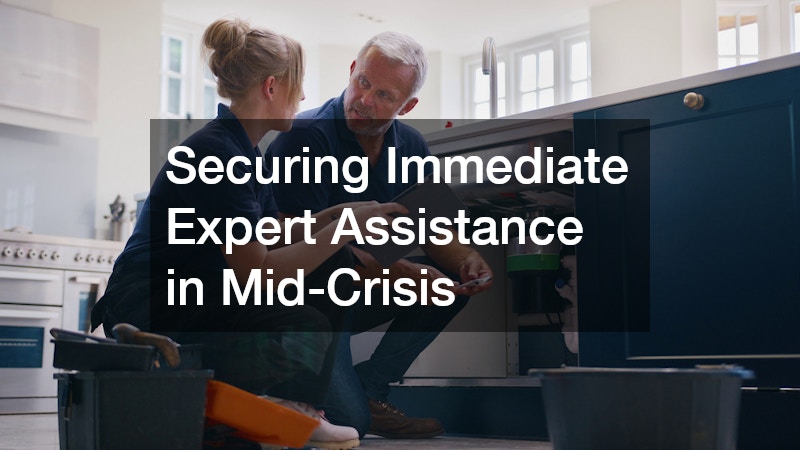
When your home is actively taking on water, and your temporary patches are struggling to contain the pressure, you need to transition from diagnosis to active procurement of certified professional help. Navigating this selection process while under intense stress requires a clear head.
Vetting Emergency Professionals Under Pressure
When calling companies during a live crisis, do not simply hire the first person who answers the phone without verifying their credentials. A few direct, targeted questions can protect you from predatory pricing and substandard workmanship:
- Are your technicians fully licensed by the state and covered by comprehensive liability and workers’ compensation insurance?
- Do you offer a clear, binding breakdown of your emergency dispatch fees and hourly rates before dispatching a vehicle?
- Will your technician provide a comprehensive, written diagnostic report and accurate cost estimate before commencing any physical teardown or repair work?
- Hiring a fully credentialed, experienced plumber ensures that the work performed on your home’s infrastructure will withstand future stress and be backed by a legitimate warranty.
Mitigating Damage While Waiting for Arrival
Once a certified professional is en route, maximize the waiting time by taking active measures to protect your belongings and prepare your workspace. Move rugs, electronics, and furniture far away from the path of the water. Use towels, buckets, and wet-dry vacuums to extract as much standing water from your floors as possible to limit warp damage.
Clear a wide, unobstructed path from your home’s entrance directly to the problem area and your main water shut-off valves so the technician can begin working the moment they step through your door. Because disasters rarely align with regular business hours, maintaining the contact information of a dedicated 24-hour plumber saved directly into your mobile phone allows you to initiate this entire emergency protocol instantly, day or night, reducing response times and saving your home from catastrophic degradation.
Conclusion
Experiencing a major plumbing failure is undoubtedly one of the most stressful events a homeowner can face. The sudden disruption, the threat of property damage, and the fear of high repair costs can easily overwhelm anyone. However, as this guide has demonstrated, a plumbing emergency does not have to result in the destruction of your home. By remaining calm, acting decisively within those critical first ten minutes to isolate the water supply, and accurately identifying the severity of the symptoms, you can effectively neutralize the immediate threat to your property.
Ultimately, the key to successful crisis management lies in preparation and knowing when to hand the reins over to certified experts. Keep your primary shut-off valves clearly marked, ensure your family members are trained on emergency protocols, and maintain a relationship with a trusted professional service provider before a disaster occurs. With a solid preventative strategy and a clear understanding of emergency mitigation techniques, you can confidently navigate any plumbing crisis and keep your household safe, dry, and secure for years to come.