Disclaimer: Benro Properties. This site provides home improvement content for informational purposes only.
Choosing the right roofing material is one of the most important decisions homeowners make when building or replacing a roof. The material you select affects not only the appearance of your home but also its durability, energy efficiency, and long-term maintenance requirements. With many roofing options available today, it can be difficult to determine which one best fits your needs and budget.
Understanding the strengths and limitations of different roofing materials can help you make a more informed choice. Factors such as climate, home design, lifespan, and maintenance should all play a role in your decision.
By evaluating these considerations carefully, homeowners can select a roofing material that protects their home while minimizing the need for frequent roof repair.
Consider Your Local Climate
Climate is one of the most important factors when choosing roofing materials. Different materials perform better under certain weather conditions, and selecting the wrong option can lead to premature wear or damage. For example, areas that experience heavy rain, snow, or high winds require roofing materials designed to withstand harsh weather.
Metal roofing and architectural shingles are often strong choices for regions with severe weather because they provide excellent durability and resistance to wind damage. In warmer climates, reflective roofing materials can help reduce heat absorption and improve energy efficiency. Choosing materials suited to your climate helps reduce the likelihood of needing frequent roof repair.
Evaluate Roofing Lifespan
Not all roofing materials last the same amount of time. Some materials provide decades of protection, while others may require replacement sooner. Considering the lifespan of each option can help homeowners balance upfront costs with long-term value.
Asphalt shingles are one of the most common roofing materials because they are affordable and relatively durable, typically lasting 20 to 30 years. Metal roofs can last 40 to 70 years with proper maintenance, while slate and tile roofs may last even longer. Investing in longer-lasting materials can reduce the need for ongoing roof repair and provide greater peace of mind over time.
Think About Your Home’s Style
Your home’s architectural style can influence which roofing materials will look best. Roofing plays a major role in curb appeal, and the right material can enhance the overall appearance of your property. Selecting a material that complements the design of your home helps create a cohesive and attractive exterior.
For example, clay or concrete tiles often pair well with Mediterranean or Spanish-style homes, while slate roofs complement traditional or historic properties. Asphalt shingles are versatile and work with many different home styles. Choosing a roofing material that matches your home’s design helps ensure your roof looks both functional and visually appealing.
Compare Maintenance Requirements
Some roofing materials require more maintenance than others. Homeowners should consider how much time and effort they are willing to invest in roof upkeep. Materials that require frequent inspections or specialized maintenance may not be ideal for every homeowner.
Asphalt shingles generally require occasional inspections and simple maintenance, making them a practical option for many homes. Metal roofs are also relatively low maintenance, though they may require periodic inspections to ensure fasteners and seams remain secure. Understanding maintenance needs helps homeowners prepare for potential roof repair tasks throughout the roof’s lifespan.
Consider Energy Efficiency
Energy efficiency is another important factor when selecting roofing materials. Certain materials reflect more sunlight and absorb less heat, which can help reduce indoor temperatures during warm weather. This can lower energy consumption and reduce cooling costs during the summer months.
Metal roofing and specially designed reflective shingles are often chosen for their energy-efficient properties. Light-colored roofing materials can also help reflect sunlight and reduce heat buildup in the attic. Choosing energy-efficient materials may reduce long-term costs while making your home more environmentally friendly.
Review Installation Costs
Budget considerations play a significant role in roofing decisions. While some materials may offer longer lifespans or improved durability, they often come with higher installation costs. Homeowners should weigh both the upfront investment and long-term value when choosing a roofing material.
Asphalt shingles are typically the most affordable option, making them popular for many homeowners. Metal roofing and tile materials often have higher installation costs but may last much longer. Considering the full lifecycle of the roof, including maintenance and roof repair expenses, can help determine which option offers the best value.
Check Weight and Structural Requirements
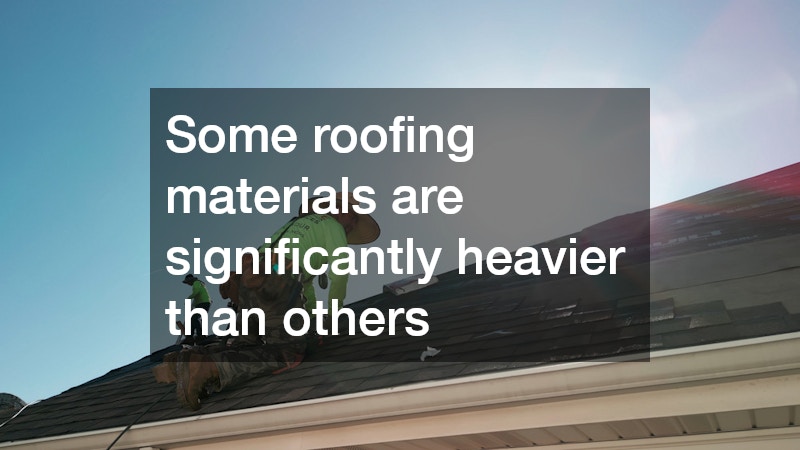
Some roofing materials are significantly heavier than others and may require additional structural support. Before selecting materials such as slate or clay tile, it is important to ensure that your home’s structure can support the added weight.
Heavier materials may require reinforcement of the roof deck or framing, which can increase the overall cost of the project. Consulting with roofing professionals can help determine whether your home is suitable for these materials. Ensuring proper structural support helps prevent damage and reduces the risk of future roof repair issues.
Work With Experienced Roofing Professionals
Choosing the right roofing material can be challenging, especially for homeowners unfamiliar with the various options available. Consulting with experienced roofing professionals can help simplify the process. Roofing contractors can evaluate your home’s structure, climate conditions, and design preferences to recommend the best materials.
Professional guidance can also help homeowners understand potential maintenance needs and long-term durability. Roofing experts may identify factors that homeowners had not considered, such as ventilation requirements or potential drainage issues. Working with knowledgeable professionals helps ensure the final roofing decision meets both functional and aesthetic needs.
Selecting the right roofing material involves careful consideration of climate, lifespan, cost, maintenance, and home design. Each material offers unique advantages, and understanding these differences helps homeowners make the best decision for their property. Investing time in researching options and consulting with professionals can prevent costly mistakes and reduce the need for frequent roof repair. With the right roofing material in place, homeowners can enjoy long-lasting protection, improved energy efficiency, and enhanced curb appeal for years to come.