
Disclaimer: Benro Properties. This site provides home improvement content for informational purposes only.
- Identify your fabric before cleaning – Check the care tag (W, S, WS, X) to choose safe cleaning methods and avoid damage.
- Vacuum regularly – Remove dust, dirt, and debris from all upholstery surfaces to prevent buildup and extend fabric life.
- Use the right cleaner for each fabric – Cotton, linen, synthetics, velvet, leather, and suede all require specific cleaning solutions and techniques.
- Blot, don’t scrub stains – Gently blot spills from the outside in to prevent spreading and fabric distortion.
- Air dry and protect – Ensure fabrics are fully dry after cleaning and use protective sprays, throws, or slipcovers to maintain results.
- Handle tough stains and odors carefully – Use baking soda, vinegar, enzyme cleaners, or rubbing alcohol depending on the stain type, and always spot-test first.
- Know when to call a professional – For fabrics labeled “X,” antique or high-value furniture, deep-set stains, or mold issues, professional cleaning ensures safety and longevity.
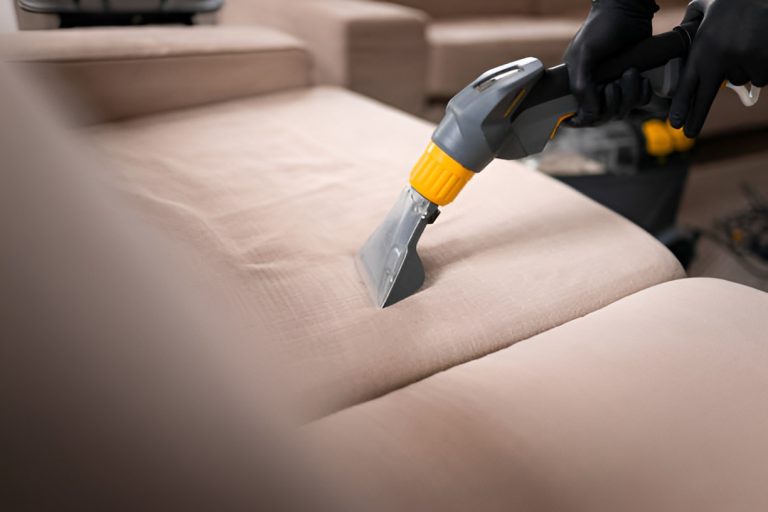
Keeping your furniture clean is about more than appearances. Upholstery can trap dust, allergens, and bacteria, making regular cleaning essential for a healthy home. Whether you have a plush sofa, a leather armchair, or a delicate velvet loveseat, knowing how to clean upholstery correctly ensures your furniture looks fresh and lasts longer. In this guide, we’ll cover every fabric type, step-by-step methods, and expert tips for maintaining your upholstered furniture.
Why Cleaning Upholstery Matters
Many people underestimate the importance of cleaning upholstery. Beyond making your home look good, it prevents dirt, oils, and spills from embedding in fabric fibers. Dust mites, pet dander, and everyday grime can accumulate over time, potentially triggering allergies or unpleasant odors. Regular cleaning also extends the life of your furniture, protecting your investment while keeping your living space comfortable and inviting.
How Often Should You Clean Upholstery?
The frequency of cleaning depends on your household:
- High-traffic areas: Sofas in living rooms or family spaces should be vacuumed weekly and deep cleaned every 6–12 months.
- Low-traffic areas: Guest room furniture may only require deep cleaning once a year.
- Homes with pets or kids: Expect more frequent spot cleaning and at least quarterly deep cleaning.
Routine maintenance makes deep cleaning easier and prevents stains from setting in.
What Tools Do You Need to Clean Upholstery?
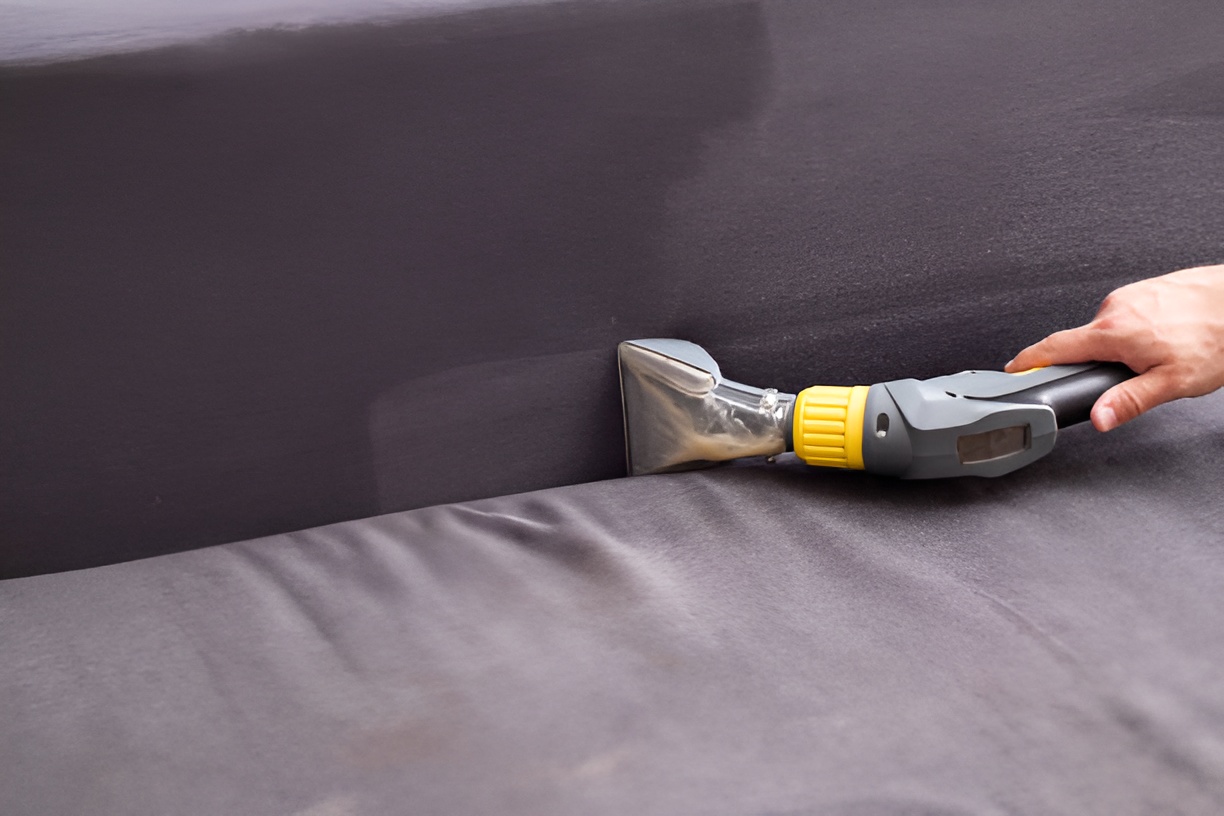
Before starting, gather these essential tools:
- Vacuum cleaner with upholstery attachment
- Soft-bristle brush or microfiber cloths
- Spray bottles for cleaning solutions
- Towels or absorbent cloths
- Mild detergent or upholstery-specific cleaners
- Baking soda and vinegar (for deodorizing)
- Steam cleaner (optional but effective)
Having the right tools on hand makes the cleaning process faster and safer for your furniture.
How to Identify Your Upholstery Fabric
Not all fabrics respond the same way to cleaning. Check your furniture’s care tag, usually located under cushions or along seams. Look for these common codes:
- W: Water-based cleaning solution safe
- S: Solvent-based cleaner required
- WS: Either water or solvent-based cleaners safe
- X: Professional cleaning only; avoid water
Identifying the fabric ensures you don’t accidentally damage the material.
How to Clean Cotton Upholstery
Cotton is one of the most common upholstery fabrics because it is durable and breathable. However, cotton is prone to shrinking, fading, and absorbing spills quickly, so cleaning must be done carefully.
- Vacuum thoroughly: Use an upholstery attachment to remove dirt, dust, and crumbs from the surface and seams. Vacuuming first prevents rubbing dirt further into the fibers.
- Prepare a mild cleaning solution: Mix a few drops of gentle dish soap or upholstery detergent with lukewarm water. Avoid using hot water, as it can shrink cotton fibers.
- Spot-test the solution: Always apply the cleaner to a hidden area, like the underside of a cushion, to make sure it won’t cause discoloration or damage.
- Blot stains carefully: Dampen a soft cloth with the solution and gently blot the stained area. Avoid scrubbing, which can distort the fabric and push the stain deeper. Work from the edges toward the center of the stain.
- Rinse lightly: Use a clean, damp cloth to remove excess soap. Do not soak the fabric; too much water can cause shrinkage or leave watermarks.
- Air dry completely: Let cushions and fabric air dry naturally, ideally in a well-ventilated room. Avoid direct sunlight, which can fade cotton.
- For stubborn stains: Mix equal parts water and white vinegar, apply lightly, blot, and rinse. Vinegar helps lift tough stains without harming cotton fibers.
How to Clean Linen Upholstery
Linen has a unique texture and a slightly rougher feel than cotton. It wrinkles easily, so cleaning requires gentle handling:
- Vacuum the fabric: Remove surface dust and dirt with a soft brush or upholstery attachment. Linen fibers can trap dust easily, so thorough vacuuming is essential.
- Use mild soap: Mix a small amount of gentle detergent with lukewarm water. Avoid over-saturating the fabric, which can cause shrinking and damage.
- Blot stains instead of rubbing: Apply the solution with a soft cloth, gently blotting the area. Rubbing can create pilling or pull the fibers.
- Air dry carefully: Let the fabric dry naturally. Avoid direct sunlight, which can fade colored linen. If wrinkles form, lightly steam the area using a handheld steamer or iron on the lowest setting, placing a cloth between the iron and linen.
- Professional cleaning for tough stains: Dyed linen or antique pieces may require professional cleaning to avoid permanent discoloration or fabric damage.
How to Clean Synthetic Fabrics (Polyester, Microfiber)
Synthetic fibers like polyester and microfiber are generally easier to clean than natural fabrics. They resist staining but can still absorb oils and spills.
- Remove loose debris: Vacuum or shake off dust, crumbs, and pet hair.
- Prepare a cleaning solution: Mix warm water with a mild detergent. Synthetic fibers tolerate slightly more water than delicate natural fabrics.
- Lightly scrub the fabric: Use a soft-bristle brush or microfiber cloth. Focus on stained areas, gently working in a circular motion. Avoid scrubbing too hard to prevent fabric distortion.
- Rinse and blot: Dampen a clean cloth with water to remove any soap residue. Excess water can leave streaks or marks on synthetics.
- Special care for microfiber: Tough stains respond well to rubbing alcohol. Spray lightly on the stain and blot with a white cloth. Always test in a hidden area first.
- Air dry completely: Synthetic fabrics dry quickly, but ensure they are fully dry before using to prevent odors or mildew.
How to Clean Velvet Upholstery
Velvet is luxurious and soft but can crush easily, creating permanent marks if not handled carefully.
- Vacuum gently: Use a soft brush attachment to remove dust. Avoid pressing too hard, which can flatten the pile.
- Spot-clean with care: Mix mild soap with lukewarm water. Use a soft sponge or cloth to blot stains. Never rub, as this can crush or distort the fibers.
- Avoid soaking: Excess water can permanently damage the nap and cause streaking.
- Restore the texture: Once dry, gently brush the fabric with a soft-bristle brush in the same direction to lift the fibers and restore the smooth appearance.
- Professional cleaning for delicate or antique velvet: Certain velvets, particularly vintage or patterned types, are best left to professionals to avoid color bleeding or texture damage.
How to Clean Leather Upholstery
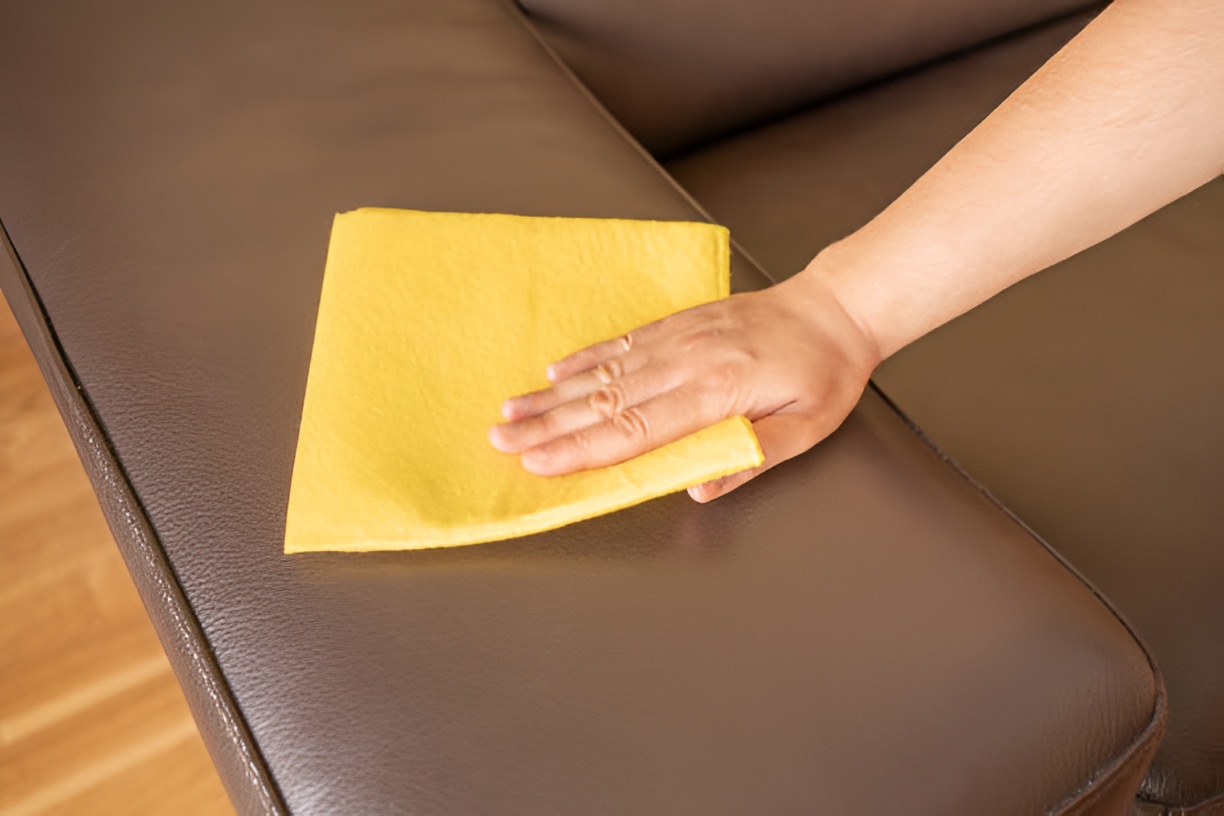
Leather is durable and stylish but requires special attention to prevent cracking, fading, or drying out.
- Dust and vacuum: Remove loose dirt using a soft cloth or brush attachment. Avoid abrasive tools.
- Prepare a cleaning solution: Mix equal parts water and mild soap, or use a leather-specific cleaner.
- Wipe gently: Use a damp cloth to clean the surface, avoiding over-wetting. Too much moisture can damage leather.
- Dry thoroughly: Wipe with a soft towel and allow the leather to air dry.
- Condition regularly: Apply leather conditioner every 6–12 months to maintain suppleness and prevent cracking.
- Stubborn stains: Ink or dye stains may require a specialized leather stain remover. When in doubt, consult a professional to avoid permanent damage.
How to Clean Suede Upholstery
Suede is delicate and highly sensitive to moisture. Proper care keeps it soft and free from damage:
- Brush dirt gently: Use a suede brush to lift dirt and maintain the nap. Brushing in one direction avoids flattening the texture.
- Use a suede eraser: Small, localized stains can often be removed with a dedicated suede eraser. Apply gently to avoid fraying the fibers.
- Avoid water: Moisture can stain or damage suede. For liquid spills, blot immediately with a dry cloth.
- Professional cleaning for deep stains: Large or stubborn stains should be handled by experts to preserve texture and color.
How to Clean Upholstery Stains
Different stains require tailored approaches:
- Food or drink spills: Blot immediately with a clean cloth. Apply a mild detergent solution for stubborn spots.
- Pet accidents: Blot first, then apply an enzyme-based cleaner to break down odors and stains.
- Ink stains: Use rubbing alcohol sparingly, blotting gently with a white cloth.
- Grease or oil: Sprinkle baking soda or cornstarch, let sit for 15–30 minutes, then vacuum.
- Odors: Baking soda works well—sprinkle over the surface, leave overnight, then vacuum thoroughly.
Always work from the edges of the stain toward the center to prevent spreading.
Can You Steam Clean Upholstery?
Steam cleaning can sanitize and refresh many fabrics, but precautions are necessary:
- Check the care code: Avoid steam on leather, suede, or fabrics labeled “X.”
- Follow instructions: Each steam cleaner is different—use manufacturer guidelines for best results.
- Use slow, gentle passes: Avoid over-wetting, which can leave watermarks.
- Allow complete drying: Steam cleaning lifts dirt and bacteria but furniture must dry fully before use.
- Benefits: Steam kills dust mites, removes odors, and helps loosen ground-in dirt.
How to Maintain Upholstery Between Deep Cleanings
Regular upkeep keeps furniture fresh longer:
- Vacuum weekly using an upholstery attachment.
- Rotate cushions to ensure even wear and prevent indentations.
- Blot spills immediately to avoid set-in stains.
- Keep furniture out of direct sunlight to prevent fading.
- Use protective sprays or fabric guards for added protection.
How to Handle Tough Stains Without Damaging Upholstery
Tough stains require careful handling:
- Identify the fabric type before attempting any cleaning method.
- Use recommended cleaners, and always perform a spot test first.
- Blot gently instead of scrubbing to avoid fiber damage.
- Avoid bleach unless the fabric is labeled safe for it.
- Call a professional for persistent stains to protect your furniture investment.
Are DIY Upholstery Cleaners Safe?
Homemade cleaners can work effectively but need caution:
- Use small amounts of mild soap, vinegar, or baking soda.
- Avoid harsh chemicals or ammonia on delicate fabrics.
- Spot-test in an inconspicuous area first.
- High-value furniture often benefits more from professional cleaners to prevent accidental damage.
How to Clean Upholstery in Rental Apartments
Renters must balance cleaning with lease agreements:
- Stick to water-based cleaners unless the lease allows stronger solutions.
- Avoid permanent alterations like harsh chemical treatments.
- Consider slipcovers or removable cushion covers for easy cleaning.
- Portable steam cleaners can sanitize without risking damage or violating rental rules.
Tips for Cleaning Upholstery Quickly
Even on a tight schedule, you can keep furniture fresh:
- Keep a spray bottle of mild cleaner handy for spills.
- Use a lint roller to remove pet hair and dust.
- Vacuum cushions before guests arrive.
- Keep microfiber cloths for immediate blotting.
- Frequent small touch-ups prevent bigger cleaning jobs later.
How to Protect Upholstery After Cleaning
Maintaining results is just as important as cleaning:
- Apply fabric protectors suitable for your material.
- Avoid eating or drinking directly on furniture.
- Use throws or slipcovers in high-traffic areas.
- Keep pets’ nails trimmed and provide designated spaces.
- Regular protection extends the life of both your cleaning efforts and the furniture itself.
When to Call a Professional
Professional upholstery cleaning is sometimes the safest option:
- Fabrics labeled “X” require expert attention.
- Deep-set stains, water damage, or mold issues need professional equipment.
- Antique or high-value furniture is best handled by experts.
A professional cleaner can restore your upholstery without risking shrinkage, discoloration, or fiber damage.
Common Mistakes to Avoid
Knowing what not to do is just as important as cleaning correctly:
- Using too much water, which can lead to stains or mold.
- Rubbing harshly, causing fibers to fray or distort.
- Ignoring the fabric care code.
- Waiting too long to address spills.
- Using bleach on delicate or colored fabrics.
Avoiding these errors keeps your furniture looking and feeling its best.
How to Extend the Life of Your Upholstery
Beyond cleaning, general care ensures longevity:
- Rotate cushions regularly.
- Keep furniture away from direct sunlight and heat sources.
- Vacuum and dust often.
- Treat spills immediately.
- Use professional deep cleaning every 1–2 years if needed.
These small steps protect your investment and maintain comfort and style.
FAQs About Cleaning Upholstery
Q: Can I use a dishwasher detergent for upholstery?
A: No. Many detergents are too harsh and can discolor or damage fabric fibers. Stick to mild soaps or upholstery cleaners.
Q: How long does upholstery take to dry after cleaning?
A: Most fabrics air dry within a few hours. Avoid sitting on damp furniture to prevent marks or mildew.
Q: Is it safe to use vinegar on all upholstery?
A: Vinegar works on many fabrics but avoid delicate materials like silk or suede. Always spot-test first.
Q: How can I remove pet hair easily?
A: Use a vacuum, lint roller, or damp rubber gloves to lift hair without damaging fibers.
Q: Can I steam clean leather?
A: No, steam can dry or crack leather. Use leather-specific cleaners instead.
Final Thoughts
Learning how to clean upholstery properly protects your investment and keeps your home healthy and inviting. By understanding your fabric type, using the right tools, and following safe cleaning methods, you can remove dirt, stains, and odors effectively. Regular maintenance, quick response to spills, and occasional professional care ensure your furniture remains beautiful for years to come.
Whether you’re tackling a stubborn stain or just maintaining everyday cleanliness, these tips give you the confidence to keep every piece of upholstered furniture in your home looking fresh and inviting.