
Disclaimer: Benro Properties. This site provides home improvement content for informational purposes only.
- Different fabrics require different cleaning methods: cotton, velvet, and leather each have unique care needs.
- Always check care labels and cleaning codes before using any cleaning method.
- Regular vacuuming and spot-cleaning prevent dirt buildup, stains, and odor, extending the life of your chairs.
- Gentle cleaning is key: use mild soap solutions for cotton and velvet, and specially formulated leather cleaners for leather.
- Act quickly on spills and stains to prevent permanent damage or discoloration.
- Eco-friendly options like baking soda, vinegar, and natural leather conditioners are effective and safe alternatives.
- Professional cleaning is recommended for delicate, antique, or heavily soiled chairs to maintain appearance and longevity.
Upholstered chairs can completely elevate the look and comfort of a room, but they also have a reputation for being tricky to clean. Whether it’s a cozy cotton armchair, a luxurious velvet accent chair, or a sleek leather office chair, each material has its own care requirements. In this guide, we’ll break down how to clean upholstered chairs safely and effectively, so your furniture stays fresh and inviting for years to come.
Why Regular Upholstered Chair Cleaning Matters
Many people don’t realize that regular cleaning goes beyond aesthetics. Dirt, dust, and oils from skin and hair can accumulate in the fibers of your chairs, leading to stains, odors, and even faster wear over time. Knowing how to clean upholstery properly not only maintains your chairs’ appearance but also contributes to a healthier home environment by reducing allergens and bacteria.
Benefits of Cleaning Upholstered Chairs
- Extends the life of your furniture
- Removes dirt, stains, and odors
- Reduces allergens and dust mites
- Maintains the fabric’s color and texture
- Prepares furniture for guests or home resale
With these benefits in mind, let’s dive into the specific methods for cleaning different types of upholstered chairs.
How to Clean Cotton Upholstered Chairs
Cotton is a popular choice for upholstered furniture because it’s comfortable, breathable, and durable. However, it can stain easily and may shrink if cleaned improperly.
Can You Wash Cotton Upholstery?
Most cotton upholstery can be cleaned with water-based methods, but always check the manufacturer’s label first. Look for cleaning codes:
- W: Safe to use water-based cleaners
- S: Only solvent-based cleaners are recommended
- WS: Either water or solvent-based cleaners can be used
- X: Only vacuuming or professional cleaning is recommended
Step-by-Step Cleaning Guide
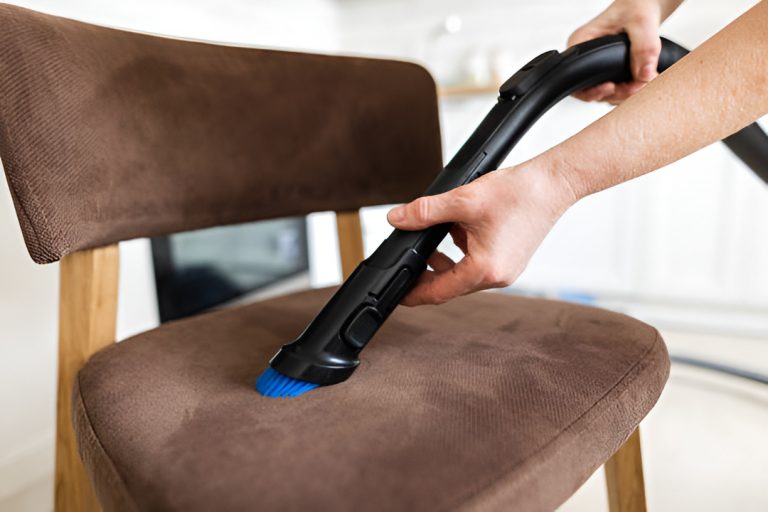
- Vacuum First: Use a vacuum with an upholstery attachment to remove loose dirt and debris. Focus on crevices and seams.
- Spot Clean Stains:
- Mix a few drops of mild dish soap with warm water.
- Dampen a clean cloth and blot the stain gently. Avoid rubbing, which can damage fibers.
- Rinse the area with a damp cloth and blot dry.
- Deep Clean the Fabric:
- For overall cleaning, use an upholstery cleaner or a water-and-soap mixture.
- Test a small, hidden area first to ensure no discoloration occurs.
- Apply the cleaner, gently scrub with a soft brush, and blot with a damp cloth.
- Dry Thoroughly: Allow the chair to air-dry completely. Avoid sitting on it until it’s dry to prevent marks or mold growth.
Tips for Maintaining Cotton Chairs
- Rotate cushions regularly to prevent uneven wear
- Use fabric protectors to repel spills
- Vacuum weekly to prevent dirt buildup
How to Clean Velvet Upholstered Chairs
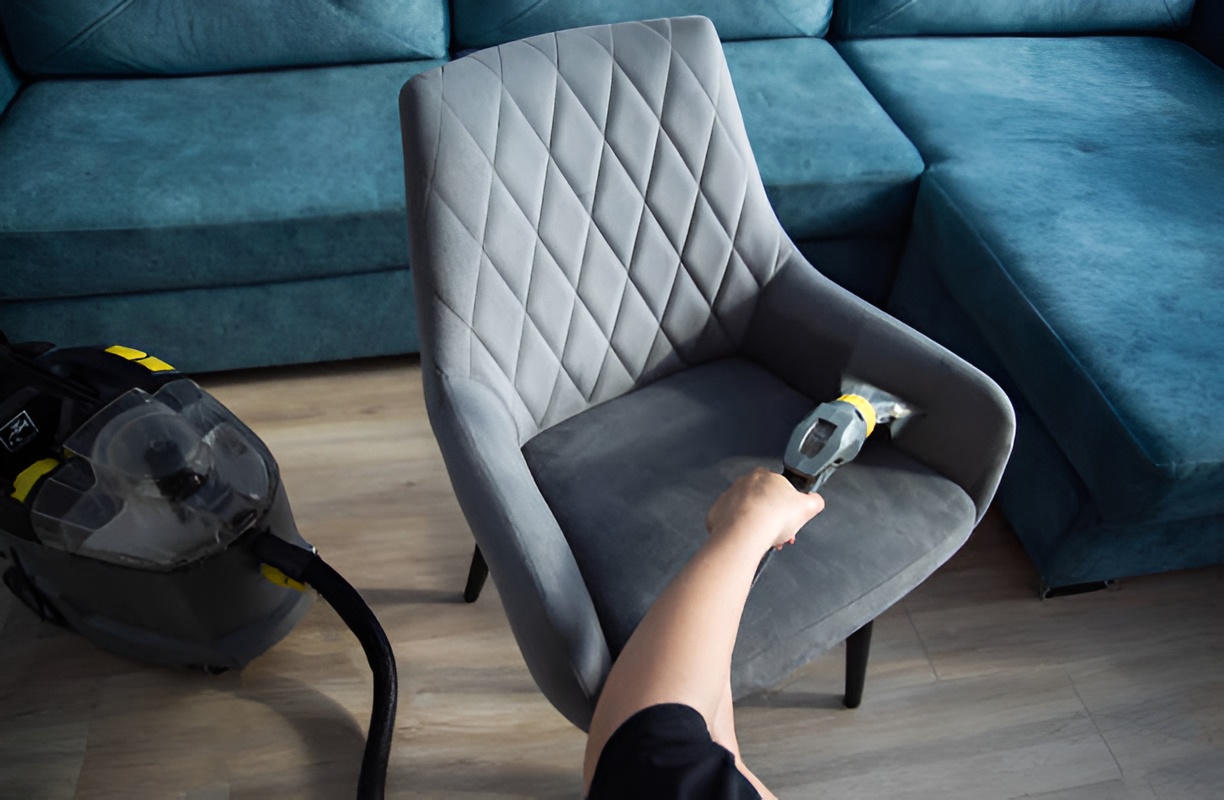
Velvet is luxurious and soft, but it requires special care because the pile can crush or become discolored if cleaned incorrectly.
Is Velvet Upholstery Difficult to Clean?
Velvet may seem delicate, but with the right techniques, it can stay beautiful for years. Always check the care label and use gentle cleaning methods to avoid damaging the pile.
Step-by-Step Cleaning Guide
- Vacuum or Brush the Fabric
Use a soft brush or vacuum with an upholstery attachment to lift dust and dirt. Brush in the direction of the nap to avoid crushing the fibers. - Spot Treat Stains
- Blot liquid spills immediately with a clean cloth.
- For dry stains, lightly mist with water and blot.
- Avoid soaking the fabric, which can leave water marks.
- Use a Gentle Cleaner
- Mix a few drops of mild dish soap with warm water.
- Dampen a cloth and gently rub the stain in a circular motion.
- Rinse with a lightly damp cloth and blot dry.
- Restore the Pile
- Once dry, brush the fabric gently to lift the pile.
- For stubborn marks, a handheld steamer can refresh the texture.
Tips for Maintaining Velvet Chairs
- Keep out of direct sunlight to prevent fading
- Rotate cushions to maintain even wear
- Use a fabric protector spray designed for velvet
How to Clean Leather Upholstered Chairs
Leather chairs are known for their durability and classic appearance. While easier to wipe down than fabric, leather requires special products to prevent cracking and discoloration.
Can You Use Water on Leather?
Water alone can damage leather, so avoid soaking it. Use a leather cleaner or a mixture of mild soap and water applied sparingly.
Step-by-Step Cleaning Guide
- Dust and Wipe
Use a soft, dry cloth to remove dust and debris. - Prepare a Mild Cleaning Solution
- Mix warm water with a few drops of gentle liquid soap.
- Dampen a soft cloth with the solution and wipe the leather gently.
- Rinse and Dry
- Wipe the chair with a clean, damp cloth to remove soap residue.
- Dry immediately with a soft towel to avoid water spots.
- Condition the Leather
- Apply a leather conditioner every 3–6 months to prevent drying and cracking.
- Follow the product instructions carefully.
Tips for Maintaining Leather Chairs
- Avoid placing near heat sources or direct sunlight
- Clean spills immediately to prevent staining
- Vacuum seams and crevices regularly
How Often Should You Clean Upholstered Chairs?
The frequency depends on usage and household conditions:
- High-traffic areas: Weekly vacuuming and monthly spot-cleaning
- Moderate use: Bi-weekly vacuuming and seasonal deep cleaning
- Low-use chairs: Monthly vacuuming and as-needed spot treatment
How to Clean Upholstered Chairs Without Making These Common Mistakes
Even the most careful cleaning can go wrong if certain mistakes are made. Here are a few common pitfalls:
- Using too much water, especially on velvet or leather
- Rubbing stains aggressively, which can spread them
- Ignoring care labels and cleaning codes
- Skipping a patch test before using a new cleaner
- Waiting too long to clean spills or stains
Eco-Friendly Cleaning Options for Upholstered Chairs
If you prefer natural cleaning methods, several eco-friendly options can work for cotton, velvet, and leather:
- White vinegar and water: Mix equal parts for spot cleaning cotton or velvet.
- Baking soda: Sprinkle on fabric chairs, let sit for 15 minutes, and vacuum to remove odors.
- Olive oil and vinegar leather conditioner: A natural alternative to store-bought leather conditioners.
How to Remove Specific Stains
Different stains require different approaches:
Coffee or Tea
- Blot excess liquid immediately
- Mix 1 tsp dish soap + 1 cup warm water
- Blot the stain gently with a clean cloth
Pet Stains
- Blot liquid immediately
- Use an enzymatic cleaner to break down proteins and odors
- Rinse with water and blot dry
Ink or Marker
- Cotton: Dab with rubbing alcohol, then rinse
- Velvet: Use a gentle, fabric-safe solvent
- Leather: Apply a leather-safe ink remover carefully
Grease or Oil
- Sprinkle cornstarch or baking soda on the stain
- Let sit 15–20 minutes to absorb oil
- Vacuum and spot clean with mild soap solution
Professional Cleaning vs DIY
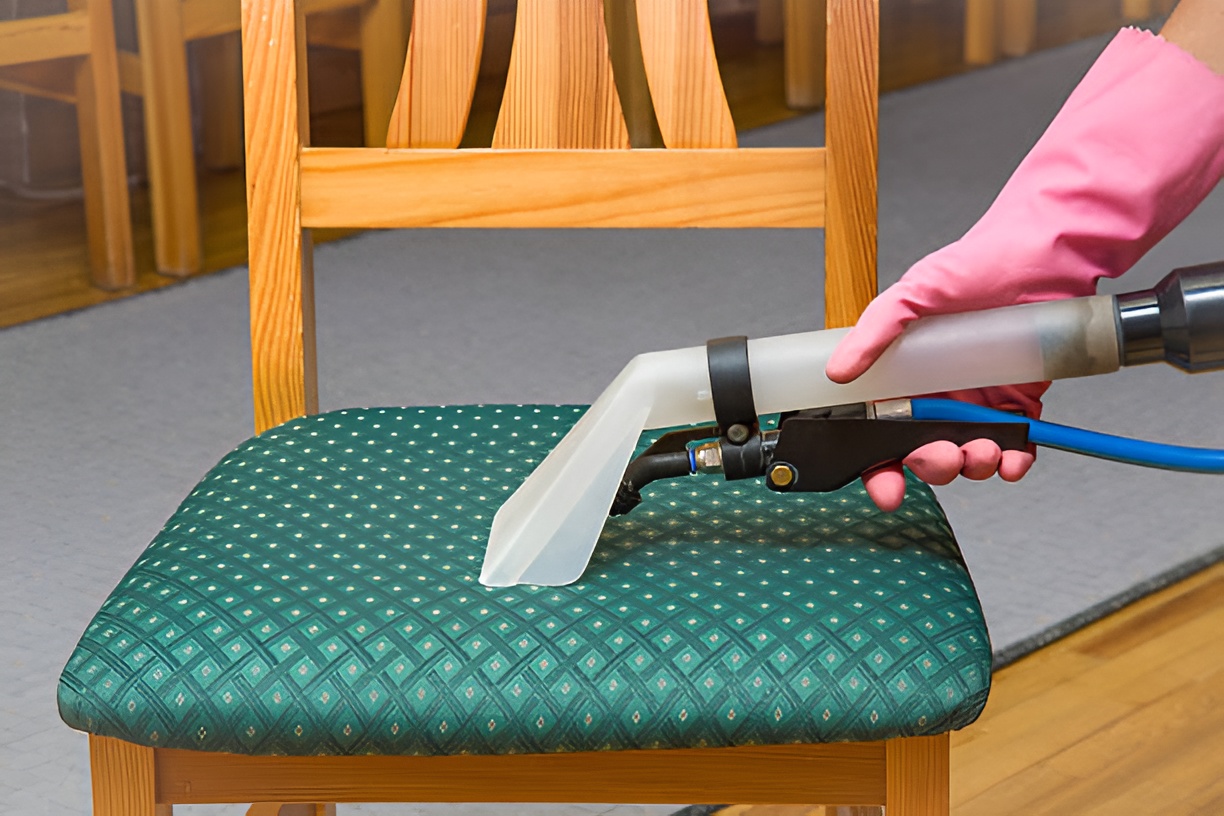
Sometimes DIY methods aren’t enough, especially for expensive or delicate fabrics. Professional upholstery cleaners can handle deep stains, odors, or fabrics that require special treatment. Consider professional cleaning:
- Once a year for heavily used chairs
- After major spills or stains that DIY methods cannot remove
- For antique or high-end fabrics
Quick Maintenance Tips to Keep Chairs Looking Fresh
- Rotate and fluff cushions regularly
- Vacuum weekly to prevent dirt buildup
- Keep away from direct sunlight and heat sources
- Use fabric or leather protectors to prevent stains
- Clean spills immediately
When to Replace Upholstered Chairs
Even with proper care, some chairs may need replacement:
- Permanent stains that cannot be removed
- Fabric or leather showing cracks, tears, or worn patches
- Odors that persist despite deep cleaning
- Cushions that have lost shape or support
Replacing an old chair can improve both comfort and room aesthetics, so consider maintenance an investment in longevity rather than a temporary fix.
Wrapping It Up
Cleaning upholstered chairs doesn’t have to be complicated. By understanding the type of fabric and following the right methods, you can keep cotton, velvet, and leather chairs looking fresh and inviting. Regular maintenance, careful stain treatment, and occasional professional cleaning will help extend the life of your furniture and keep your home looking its best.
With these tips in hand, your chairs will not only remain comfortable but also a centerpiece in your living space for years to come.