
Disclaimer: Benro Properties. This site provides home improvement content for informational purposes only.
How Air Duct Cleaning Improves Indoor Air Quality
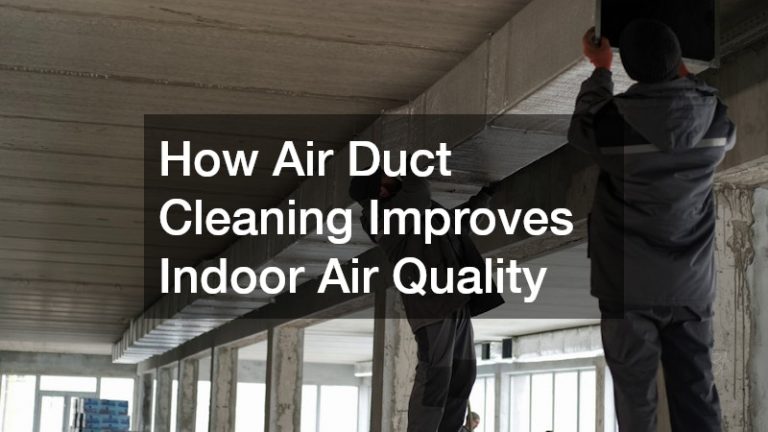
The air inside your home or commercial space has a direct impact on your comfort, health, and overall well-being. While many people focus on visible cleanliness—like dusting surfaces or vacuuming floors—what’s happening inside your ventilation system often goes unnoticed. Over time, air circulation systems can accumulate dust, allergens, and other contaminants that continuously move through your space.
Without proper attention, these hidden pollutants can reduce air freshness and contribute to respiratory discomfort, unpleasant odors, and inconsistent airflow. The good news is that with the right approach to cleaning and maintenance, you can significantly improve the quality of the air you breathe every day. This guide breaks down exactly how it works and what steps you can take to keep your environment healthier.
Identify the Hidden Pollutants Circulating in Your Home
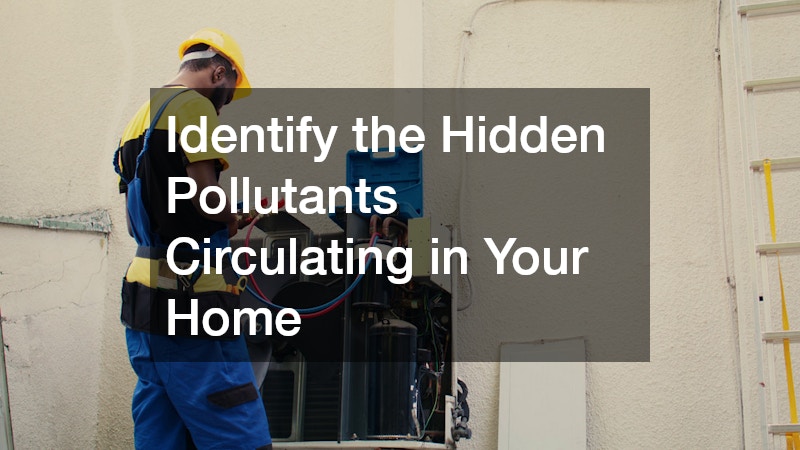
Most homeowners are surprised to learn just how much debris can build up inside their ductwork over time. Every time your system runs, it pulls in particles such as dust, pollen, pet dander, and even microscopic pollutants from outside. These particles don’t simply disappear—they settle inside your ducts and are repeatedly pushed back into your living space whenever air circulates.
This ongoing cycle can significantly impact indoor air quality and may lead to noticeable health symptoms. Many people experience increased sneezing, coughing, sinus irritation, headaches, or general fatigue without realizing their ventilation system could be contributing to the issue. In homes with pets or high foot traffic, this buildup can happen even faster.
There are also several warning signs that your air may be compromised. For example, you might notice dust collecting quickly around your vents even after cleaning your home. Some homeowners detect a stale or musty smell when the system turns on, which can indicate contaminants within the ductwork. Uneven airflow between rooms is another red flag, as it may signal blockages or buildup. Additionally, if allergy or asthma symptoms seem worse indoors than outside, your system may be circulating irritants.
Recognizing these signs early allows you to take action before conditions worsen and helps you maintain a healthier indoor environment.
Schedule Routine Duct Inspections Before Problems Escalate
Routine inspections are one of the most effective ways to prevent serious air quality issues. A professional air duct cleaning service does more than just remove debris—they carefully assess the condition of your entire system to identify potential concerns before they become major problems.
Qualified HVAC contractors are trained to spot early signs of buildup, leaks, or contamination that may not be visible from outside your ducts. They can detect issues such as disconnected duct sections, excessive dust accumulation, or even early mold formation. Addressing these problems early can save you from costly repairs and prevent long-term damage to your system.
To stay proactive, it’s important to establish a regular inspection schedule. Most homes benefit from a professional inspection every two to three years, but households with pets, allergies, or recent renovations may need more frequent evaluations. When working with professionals, it’s also helpful to ask specific questions about your system’s condition, including whether there are airflow issues or signs of contamination.
Additionally, requesting before-and-after photos or video footage of your ducts can give you a clearer understanding of the cleaning process and the improvements being made. Taking these steps ensures that your system remains in good condition and that your air stays as clean as possible.
Remove Built-Up Debris to Improve Airflow Efficiency

Over time, dust, dirt, and other debris naturally accumulate inside your ductwork, especially in systems that run frequently. This buildup doesn’t just sit idle—it gradually restricts airflow, making it harder for air to move efficiently through your home or building. As airflow becomes limited, your system has to work harder to maintain the desired temperature, which can lead to increased energy usage and unnecessary wear on key components.
A professional air duct cleaning service helps eliminate this buildup at its source, clearing out accumulated debris and restoring proper airflow throughout the system. When ducts are clean, air can move more freely, allowing your system to distribute heating and cooling more evenly. This often results in more consistent temperatures across different rooms and a noticeable improvement in overall comfort.
Pairing this with routine HVAC Service further enhances these benefits. While cleaning removes existing debris, ongoing service ensures that your system continues to operate efficiently and doesn’t quickly return to a clogged state. Technicians can check for additional issues such as dirty coils, blocked vents, or worn components that may also impact airflow.
There are several signs that indicate debris may already be affecting your system’s performance. You might notice weaker airflow coming from vents, rooms that never seem to reach the right temperature, or a system that runs longer than usual to compensate. In some cases, higher energy bills can also signal that your system is struggling due to restricted airflow.
By addressing buildup early and maintaining a regular cleaning and service schedule, you can improve efficiency, reduce strain on your system, and maintain better air circulation throughout your space.
Address Moisture Issues to Prevent Contamination Growth
Moisture inside your duct system can quickly lead to serious problems if not addressed. Condensation can form due to temperature differences, leaks, or poor insulation, creating an ideal environment for mold growth. Once mold develops, its spores can spread throughout your home, negatively impacting air quality and posing potential health risks.
Professional mold removal is essential when contamination is present, as it ensures that spores are safely eliminated and do not continue to circulate. However, simply removing the mold is not enough. It’s equally important to address the underlying cause of the moisture, which often requires targeted HVAC repairs.
Homeowners should be aware of early warning signs that indicate moisture problems. A persistent musty odor when the system is running is often one of the first indicators. Visible mold around vents or inside accessible duct areas is another clear sign that immediate action is needed. In some cases, excess humidity in your home can also contribute to the issue.
To prevent moisture-related problems, it’s important to ensure your system is properly insulated and that any leaks or drainage issues are resolved quickly. Maintaining balanced humidity levels within your home can also help reduce the risk of mold growth. Taking these preventative steps protects both your system and your overall indoor environment.
Combine Duct Cleaning With Preventative System Maintenance
While cleaning your ducts provides immediate benefits, maintaining those results requires ongoing care. Without regular maintenance, dust and debris can quickly build up again, reducing the effectiveness of your cleaning efforts.
Working with experienced HVAC contractors ensures that your system receives the attention it needs to stay clean and efficient. Routine HVAC Service includes inspecting and servicing key components such as filters, coils, and fans. These elements all play a role in maintaining proper airflow and preventing contaminants from accumulating.
Homeowners can also take simple steps to support their system between professional visits. For example, replacing air filters every one to three months helps prevent dust from entering your ducts. Scheduling seasonal tune-ups—typically in the spring and fall—ensures your system is prepared for periods of heavy use.
Keeping vents and registers unobstructed is another important habit, as blocked airflow can lead to uneven distribution and increased strain on your system. By combining professional maintenance with consistent at-home care, you can preserve the benefits of clean ducts and maintain a healthier indoor environment year-round.
Improve Air Quality in Commercial and Large-Scale Buildings
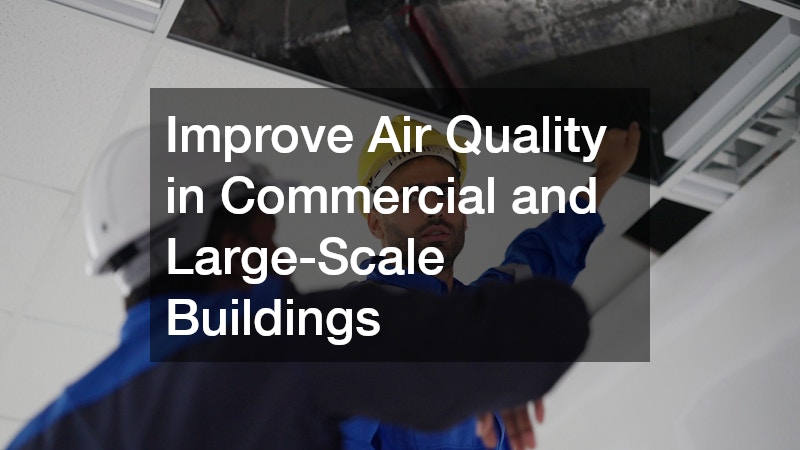
Maintaining clean air in larger facilities requires a more structured and proactive approach than in residential settings. Industrial hvac systems are designed to handle high volumes of air across expansive spaces, but this also means they collect and circulate more dust, debris, and airborne contaminants. With more occupants, higher foot traffic, and longer operating hours, these systems can become overwhelmed if not properly maintained.
One of the biggest challenges in commercial environments is how quickly pollutants can spread. Unlike smaller systems, where issues may be contained to a single area, large-scale systems can distribute contaminants throughout an entire building in a short amount of time. This makes routine inspections and cleanings essential for maintaining a safe and comfortable environment for employees, customers, and visitors.
This is where building maintenance services play a critical role. A well-coordinated maintenance plan ensures that all components of the system—from ducts to filters to ventilation units—are regularly checked and serviced. Establishing a consistent schedule helps prevent buildup before it becomes a larger issue and keeps the system operating efficiently.
In addition, facility managers should prioritize monitoring high-traffic areas, where contaminants tend to accumulate more quickly. Regular communication between maintenance teams and building staff can also help identify early warning signs, such as unusual odors or inconsistent airflow.
By taking a proactive and organized approach, commercial properties can maintain cleaner air, improve comfort, and support a healthier indoor environment on a larger scale.
Pair Duct Cleaning With Timely Cooling System Fixes
Your cooling system plays a major role in how air moves throughout your space. When it isn’t working properly, airflow becomes uneven, which can allow dust and contaminants to settle inside your ducts more quickly. Even after a cleaning, poor system performance can lead to faster buildup and reduced air quality.
Scheduling an ac repair service at the first sign of trouble helps keep your system running efficiently and prevents unnecessary strain. Issues like weak airflow, inconsistent cooling, or longer run times can all point to underlying problems that affect both comfort and air circulation. When air isn’t moving properly, it becomes easier for particles to linger and recirculate.
Timely HVAC repairs also help prevent small issues from turning into larger ones. For example, a worn-out component can reduce airflow or force your system to work harder, which increases the chances of dust accumulation. Addressing these problems early keeps your system balanced and supports cleaner air throughout your home.
By pairing duct cleaning with prompt repairs, you ensure that your system can actually maintain the benefits of a clean duct system. This combination helps improve efficiency, airflow, and overall air quality without unnecessary setbacks.
Create Ongoing Habits That Keep Your Air Cleaner Longer
Once your system has been cleaned and optimized, maintaining those results comes down to consistency. Small, routine habits can go a long way in preserving indoor air quality and preventing contaminants from building up again.
Changing your air filters regularly is one of the simplest and most effective steps you can take. Clean filters trap dust and particles before they enter your system, while clogged filters allow debris to pass through and reduce airflow. Staying on a regular replacement schedule keeps your system running efficiently.
Keeping your home clean also plays a big role. Vacuuming with a HEPA filter and dusting surfaces frequently helps reduce the amount of debris that can enter your vents. The less dust in your home, the less your system has to handle.
It’s also important to keep vents clear and unobstructed. Blocked vents can disrupt airflow and cause dust to circulate unevenly. Making sure air can move freely through each room helps maintain consistent conditions throughout your space.
Managing humidity is another key factor. Too much moisture can lead to mold growth, while too little can cause particles to stay airborne longer. Keeping humidity levels balanced helps create a more stable and comfortable environment.
Air purifiers can provide additional support by capturing fine particles, especially in high-use areas. However, they work best when combined with regular maintenance and good habits, not as a replacement for them.
By staying consistent with these simple practices, you can extend the benefits of a clean system and keep your air fresher for longer.
Take Control of Your Air Quality for Good

Maintaining clean air inside your home or business requires more than surface-level cleaning. By addressing what’s happening inside your ventilation system, you can significantly improve comfort, health, and efficiency. From removing hidden contaminants to staying proactive with maintenance and repairs, each step plays an important role in creating a healthier indoor environment.
With consistent care and the right professional support, you can ensure that the air you breathe remains fresh, clean, and safe for everyone who enters your space.