
Disclaimer: Benro Properties. This site provides home improvement content for informational purposes only.
A home’s roof serves as the first line of defense against weather, debris, and temperature fluctuations. It protects the structure beneath it while helping maintain a comfortable and secure indoor environment. When a roof becomes damaged, however, that protection begins to weaken, allowing outside elements to affect areas of the home that should remain sealed and dry. Even small roofing issues can gradually develop into serious safety concerns if they are not addressed in time.
Over time, roof damage can impact far more than just the surface materials. Moisture intrusion, weakened framing, and compromised insulation can lead to structural instability and unhealthy living conditions. Many homeowners do not realize how quickly minor problems can escalate until interior damage becomes visible. Understanding how roof damage develops and spreads can help homeowners recognize risks early and take steps to preserve the safety and stability of their property.
Understanding How Small Roof Leaks Lead to Major Structural Damage
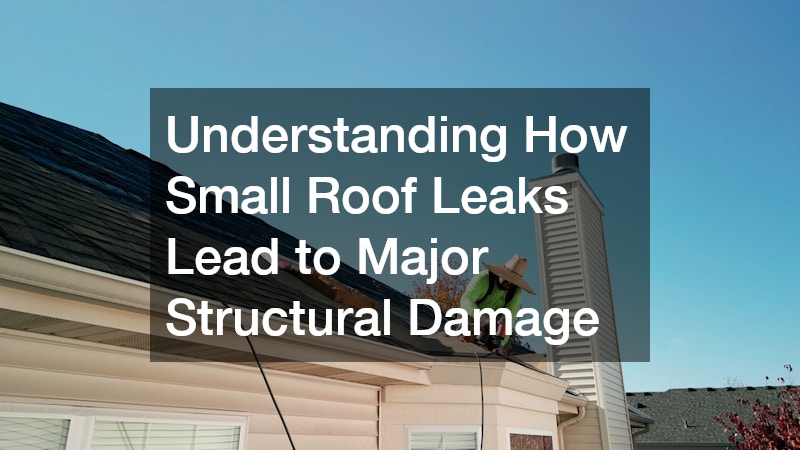
Small roof leaks often begin in ways that are difficult for homeowners to notice. A cracked shingle, loose flashing, or worn seal around a roof penetration may allow small amounts of water to seep beneath the surface of the roofing system. At first, the moisture may only affect a limited area, but repeated exposure gradually weakens materials like wood decking and insulation. This slow buildup of moisture creates the conditions for rot and structural deterioration that can spread throughout the roof.
As the problem continues, water can travel through framing and insulation before becoming visible inside the home. Stains on ceilings, peeling paint, and sagging drywall are often signs that water has already caused extensive damage above. A local roofing company often sees cases where what started as a minor leak eventually required major structural repairs because the problem was not addressed early. Identifying leaks quickly and repairing them promptly is one of the most effective ways to protect the long-term stability of a home’s roof.
Recognizing How Missing Shingles Leave Your Home Vulnerable
Shingles play a critical role in protecting a roof from rain, wind, and other environmental stressors. When shingles become damaged or go missing, the layers beneath them are exposed to moisture and weather. Without this protective barrier, rainwater can reach the underlayment and roof decking much more easily, increasing the likelihood of leaks and deterioration. Over time, exposure to the elements can weaken the entire roofing system.
High winds, aging materials, and improper installation are common reasons shingles may come loose or disappear entirely. Once that protective layer is compromised, even moderate rainfall can cause water to infiltrate vulnerable areas of the roof. A residential roofing company frequently encounters homes where missing shingles led to more extensive issues such as mold growth, insulation damage, or interior water stains. Replacing damaged or missing shingles quickly helps restore the roof’s protective barrier and prevents further damage from developing. Hiring a residential roof repair company is critical to avoid damage.
Identifying How Roof Damage Allows Water to Enter Your Home
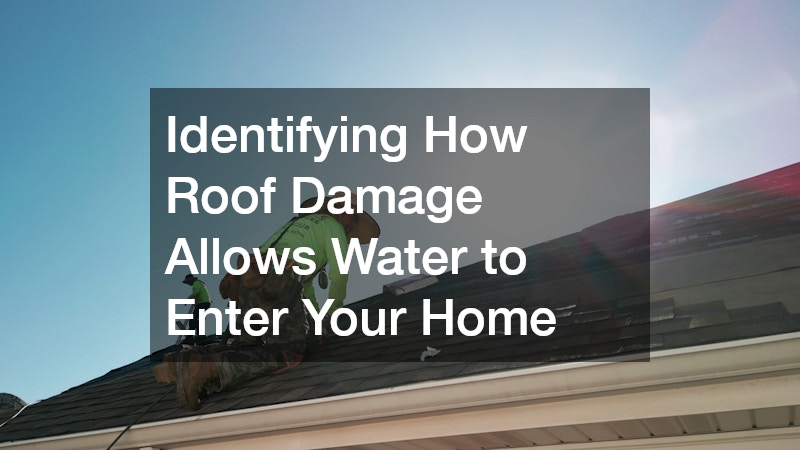
When sections of a roof become damaged, it creates openings where water can easily enter the structure. Cracked shingles, deteriorated flashing, or punctures from debris all weaken the roof’s protective layers. During heavy rain or melting snow, water naturally seeks out these vulnerable areas and begins to work its way beneath the surface of the roofing system. Once moisture penetrates these outer layers, it can begin affecting the roof deck and surrounding structural materials.
As water spreads through these areas, it may travel along beams, insulation, and wall cavities before becoming visible inside the home. This movement often makes the original source of the leak difficult to identify without a proper inspection. A local roofing contractor can help locate these hidden entry points and repair them before they cause more widespread damage. Addressing the source of water intrusion quickly helps prevent rot, mold growth, and costly interior repairs.
Explaining How Corrosion Weakens Certain Roofing Materials
Metal roofing systems are known for their durability, but they can still experience damage over time if corrosion develops. Exposure to moisture, salt in the air, or environmental pollutants can gradually break down protective coatings on metal surfaces. Once that protective barrier wears away, rust can begin forming and weakening the structure of the roofing material itself. This corrosion may appear small at first, but it can spread quickly if left untreated.
As rust expands, it can create holes or thin spots that allow water to penetrate the roof. These weakened sections reduce the roof’s ability to withstand heavy rain, strong winds, or temperature changes. Experienced metal roof contractors often inspect for early signs of corrosion so they can treat affected areas before they worsen. Maintaining the protective coatings and repairing rusted sections promptly can help extend the life of a metal roofing system and preserve the safety of the home.
Learning How Damaged Flashing Causes Hidden Roof Failures
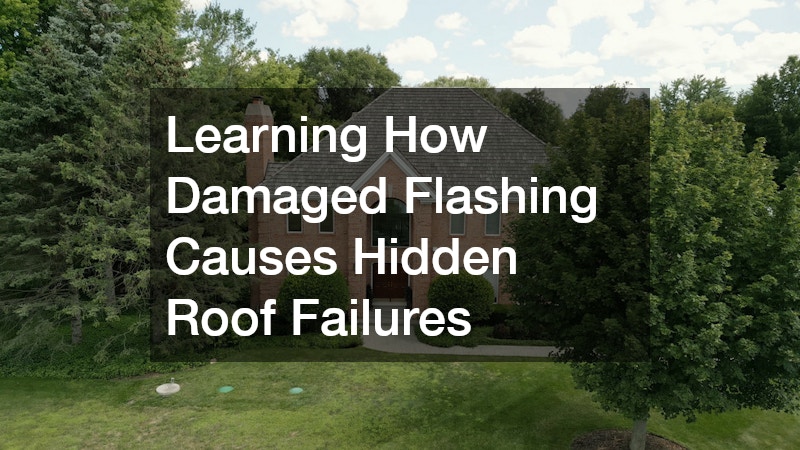
Flashing is an essential component of any roofing system because it seals the joints where different materials meet. These areas commonly include chimneys, vents, skylights, and valleys where sections of the roof intersect. Flashing helps direct water away from these vulnerable points, preventing moisture from seeping beneath the roof’s surface. When flashing becomes damaged, loose, or improperly installed, it can create hidden pathways for water to enter the structure.
Because flashing failures often occur in concealed areas, homeowners may not notice the damage until interior signs begin to appear. Water can slowly accumulate around these joints, eventually leading to leaks, wood rot, and weakened structural components. A professional inspection from a roofing company can identify flashing problems before they turn into major repairs. Maintaining secure and properly sealed flashing is a critical part of protecting a home from long-term roof damage.
Discovering How Roof Damage Encourages Mold and Mildew Growth
One of the most concerning consequences of roof damage is the environment it creates for mold and mildew to develop. When moisture enters through leaks or weakened roofing materials, it can become trapped in insulation, drywall, and wooden framing. These damp areas provide the ideal conditions for mold spores to grow and spread. Because mold thrives in dark and humid environments, attic spaces and ceiling cavities are especially vulnerable when roof damage allows water to enter the home.
As mold begins to grow, it can spread quickly throughout hidden areas of the structure. The problem often goes unnoticed at first because it develops behind walls or above ceilings where homeowners rarely look. Over time, however, signs such as musty odors, discoloration on ceilings, or worsening allergy symptoms may begin to appear. Mold can affect indoor air quality and potentially create health concerns for those living in the home, making it more than just a structural issue.
Moisture from roof leaks can also weaken insulation and other building materials, creating additional spaces where mold can develop. Once insulation becomes saturated, it loses its ability to regulate temperature and can hold moisture for long periods of time. This prolonged dampness allows mold colonies to grow larger and spread into nearby structural components. In severe cases, mold remediation may be required in addition to repairing the roof itself.
Professional roofing contractors often identify these risks during inspections, especially when signs of water intrusion are present in attic spaces. When mold has already begun forming, repairs must address both the roofing issue and the moisture damage that allowed mold to grow. Reliable roofing contractors understand the importance of resolving the underlying cause of leaks so that mold does not return after repairs are completed. Addressing roof damage early helps protect not only the structure of the home but also the health of the people living inside it.
Examining How Poor Drainage Leads to Long-Term Roof Problems
Proper drainage is essential for maintaining the health and durability of a roof. Roofing systems are designed to guide water safely off the surface and away from the home through slopes, gutters, and downspouts. When drainage systems fail or become obstructed, water may begin to pool in certain areas of the roof. Standing water places constant pressure on roofing materials and increases the risk of leaks developing over time.
Clogged gutters are one of the most common causes of poor roof drainage. Leaves, debris, and dirt can accumulate in gutter systems, preventing water from flowing properly during heavy rainfall. When gutters become blocked, water may back up onto the roof surface or spill over the edges of the gutter system. This overflow can lead to moisture damage along roof edges, fascia boards, and even the home’s foundation.
In some cases, poor drainage occurs because the roof slope has been altered or damaged. Settling structures, aging materials, or improper installation can create areas where water collects rather than drains away. These low spots may allow moisture to remain on the roof for extended periods, gradually weakening the materials beneath. Over time, this repeated exposure to standing water can lead to deterioration of roofing membranes and underlayment.
Routine maintenance and inspections can help identify drainage issues before they create serious problems. Professional roofing services often include evaluating gutters, downspouts, and the overall slope of the roof to ensure water flows away as intended. Addressing drainage concerns early helps prevent long-term structural damage and extends the lifespan of the roofing system.
Knowing When Minor Damage Requires Immediate Attention
Many homeowners assume that small roofing problems can safely be ignored until they become more noticeable. Unfortunately, minor damage can quickly evolve into larger and more expensive issues if it is left unaddressed. Small cracks, loose shingles, or minor flashing damage may appear insignificant at first, but these vulnerabilities allow moisture and debris to begin affecting the roof’s underlying structure. Even a small opening can become a major entry point for water during heavy rain or storms.
Weather conditions often accelerate the deterioration of already damaged areas. Wind can loosen surrounding shingles, while temperature fluctuations may cause materials to expand and contract. This movement gradually widens cracks and gaps, making it easier for water to infiltrate the roof. Over time, repeated exposure to the elements can transform a small repair into a much more complicated restoration project.
In addition to water intrusion, damaged areas can also weaken the roof’s ability to withstand severe weather events. Storms that might otherwise cause minimal harm can lead to significant structural issues when the roofing system is already compromised. Missing or weakened materials make it easier for wind to lift sections of the roof or allow debris to penetrate the protective layers.
Recognizing when to call a professional is essential for preventing these problems from escalating. A roof repair professional can evaluate minor damage and determine whether immediate repairs are necessary to prevent larger issues from developing. By addressing small problems early, homeowners can protect the long-term stability of their roofs and avoid the costly consequences of delayed repairs.
Understanding the Risks of Ignoring Early Roof Damage
Early roof damage often appears small and easy to ignore, especially when there are no obvious leaks or visible interior problems. However, roofing systems rely on multiple layers working together to keep moisture out and maintain structural stability. When even one component becomes damaged, it can weaken the surrounding materials and allow outside elements to slowly penetrate the structure. Over time, these small weaknesses can expand into much more serious issues.
Ignoring early damage often allows water intrusion to worsen unnoticed. Moisture can seep beneath roofing materials and travel through insulation and wooden framing before it becomes visible inside the home. A roof repair professional frequently encounters situations where minor problems could have been repaired easily but instead turned into larger structural repairs due to delays. Addressing small issues early helps preserve the integrity of the roof and prevent widespread damage.
Protecting Your Home From Worsening Roofing Issues
Preventing roof damage from escalating requires a combination of routine maintenance and prompt attention to developing problems. Weather exposure, aging materials, and debris accumulation can gradually weaken roofing systems if they are not monitored regularly. Homeowners who schedule periodic inspections are more likely to catch small issues before they evolve into expensive repairs. Early detection allows minor damage to be repaired quickly while the overall structure remains intact.
Consistent maintenance also helps extend the life of roofing materials and keeps the home protected from environmental stress. Clearing debris from gutters, checking for missing shingles, and inspecting flashing around roof penetrations can make a significant difference in long-term performance. Experienced local roofers often recommend these preventative steps because they help reduce the likelihood of leaks and structural deterioration. Staying proactive with roof care helps ensure the entire home remains safe and well protected.
A damaged roof can compromise far more than the outer appearance of a home. Once vulnerabilities develop, moisture and environmental stress can begin affecting insulation, structural framing, and interior surfaces. These issues often develop gradually, making it important for homeowners to understand how early roof damage can threaten the safety and stability of the entire property.
Our team understands how important a durable and reliable roof is to protecting your home. If you notice signs of wear, leaks, or storm damage, addressing them quickly can help prevent larger structural issues. As a trusted roofing company, we are here to provide the roofing services needed to restore protection and maintain the safety of your home. Contact our team today to schedule an inspection and ensure your roof continues to perform the way it should.