Disclaimer: Benro Properties. This site provides home improvement content for informational purposes only.
When your heating or cooling system starts having problems, one of the biggest questions is whether you should repair the existing unit or replace it entirely. In some cases, a relatively simple repair can restore reliable performance for years. In others, continuing to fix an aging system may cost more over time than installing a new one.
The right choice depends on factors such as the age of the equipment, repair history, energy efficiency, comfort problems, and the cost of the current repair. A professional heating and air conditioning service can inspect the system and help you understand which option makes the most sense for your home.
Consider the Age of Your HVAC System
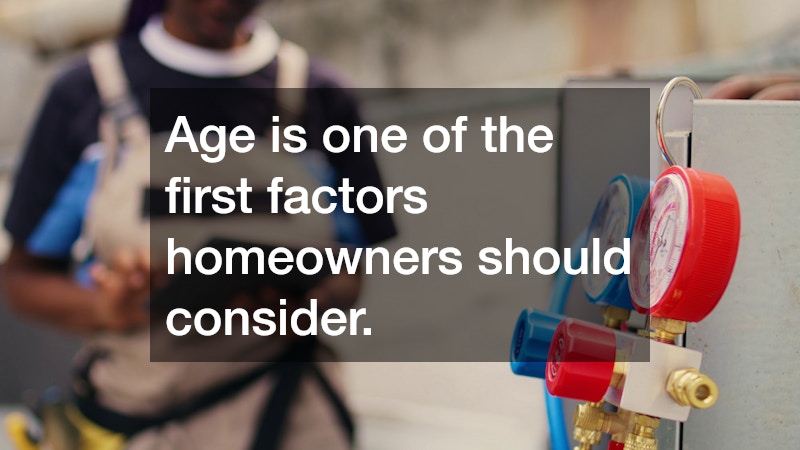
Age is one of the first factors homeowners should consider.
Heating and cooling systems are not designed to last forever. As components age, they may become less efficient and more likely to fail.
Even if an older system is still operating, it could require more frequent repairs or struggle to maintain consistent temperatures.
If your HVAC equipment is relatively new and has otherwise performed well, repairing one failed component may be reasonable.
However, if the system is already approaching the later part of its expected service life, investing heavily in repairs may be less practical.
Look at How Often Repairs Are Needed
One repair does not necessarily mean the entire system needs replacement.
HVAC systems contain many individual components, and some can fail without indicating a larger problem. A minor electrical issue, worn part, or clogged component may be relatively straightforward to fix.
Frequent breakdowns are more concerning.
If you have called a heating and air conditioning service several times over the past few seasons, the total cost of those repairs can add up quickly. Repeated service calls can also become frustrating when the system fails during extremely hot or cold weather.
Keeping records of previous repairs can help you compare the cost of maintaining the existing system with the cost of replacement.
Compare the Repair Cost With Replacement
The price of the current repair should play a major role in your decision.
Replacing an inexpensive component in an otherwise reliable system is very different from paying for a major repair on an aging unit.
Ask the HVAC contractor to explain what has failed, how much the repair will cost, and whether other major components appear to be in good condition.
You should also ask how long the repair is expected to extend the system’s useful life.
If the repair represents a substantial portion of the cost of new equipment, replacement may deserve serious consideration.
Think About Energy Efficiency
Older HVAC systems may use considerably more energy than newer equipment.
Even if an aging unit continues to operate, declining efficiency can increase monthly utility costs. The system may run longer to achieve the same indoor temperature, especially if components are worn or the equipment was inefficient to begin with.
A professional heating and air conditioning service can help evaluate the performance of your current equipment and explain how newer systems compare.
When considering replacement, do not focus only on the initial purchase price. Potential changes in long-term energy usage should also be part of the decision.
Pay Attention to Uneven Temperatures
Comfort problems can sometimes indicate that an HVAC system is struggling.
You may notice that certain rooms remain warmer or colder than others, the system runs constantly, or the temperature never seems to match the thermostat setting.
These problems do not automatically mean replacement is necessary. Ductwork issues, insulation problems, thermostat malfunctions, airflow restrictions, or other conditions can also affect comfort.
That is why proper diagnosis is important before making an expensive decision.
If the HVAC equipment itself is no longer able to heat or cool the home effectively, replacement may provide more reliable performance.
Consider Unusual Sounds or Odors
HVAC equipment normally makes some noise while operating, but sudden changes can indicate a problem.
Grinding, rattling, squealing, banging, or other unfamiliar noises should be investigated. Strange smells may also signal electrical issues, overheating components, moisture problems, or other concerns.
Some of these problems may only require a repair.
However, multiple symptoms occurring in an older system can indicate broader deterioration. A heating and air conditioning service can determine whether the problem is isolated or part of a larger mechanical issue.
Watch for Rising Utility Bills
If your energy bills are increasing without a significant change in weather or household habits, your HVAC system could be contributing.
A system that is losing efficiency may need to run longer and work harder to maintain indoor temperatures.
Dirty filters, blocked airflow, duct leaks, and maintenance problems can also increase energy use, so rising bills should not automatically lead to replacement.
Routine maintenance may restore performance in some cases.
If an older system continues to use excessive energy even after maintenance and repairs, replacing it may become a more attractive option.
Think About Reliability During Extreme Weather
An unreliable HVAC system can be more than an inconvenience.
Heating equipment that repeatedly fails during winter or air conditioning that stops working during extreme heat can leave the household uncomfortable and may require emergency service.
If you are constantly worried about whether the system will make it through the next season, replacement may offer greater peace of mind.
Homeowners should consider reliability alongside repair costs.
A system that technically can be repaired may still be inconvenient to own if breakdowns continue happening.
Check Whether Replacement Parts Are Available
Replacement parts for older HVAC equipment can sometimes become harder to find.
If a system uses outdated components or technology, repairs may take longer or become more expensive because compatible parts are limited.
Ask your heating and air conditioning service whether replacement components are readily available for your particular system.
Difficulty obtaining parts does not always require immediate replacement, but it can be an important consideration when deciding whether to continue investing in older equipment.
Do Not Overlook Your Ductwork
Replacing the furnace or air conditioner will not automatically solve every comfort problem.
Leaky, poorly designed, damaged, or improperly sized ductwork can reduce system performance. If rooms have always been difficult to heat or cool, the issue may involve air distribution rather than the HVAC unit itself.
Before installing new equipment, ask whether the duct system should be inspected.
Addressing ductwork problems at the same time as an HVAC replacement may help the new system operate more effectively.
Consider Whether Your Needs Have Changed
Changes to the home can also affect HVAC performance.
Perhaps you finished a basement, added living space, enclosed a porch, or significantly renovated the property. The original heating and cooling system may no longer be appropriate for the home’s current size or layout.
If your existing equipment struggles because the home’s needs have changed, repeatedly repairing it may not solve the underlying problem.
A qualified heating and air conditioning service can evaluate the home’s heating and cooling requirements and recommend appropriately sized equipment.
Get a Professional Inspection Before Deciding
Homeowners should avoid making the repair-or-replace decision based solely on a single symptom.
An HVAC technician can inspect the system, identify the problem, assess overall condition, and provide information about the likely cost of keeping the equipment operating.
Ask questions about both options.
How much will the repair cost? Are other components showing signs of wear? How old is the equipment? What would replacement involve? What efficiency improvements could new equipment offer?
Having this information allows you to make a decision based on the entire system rather than just the immediate failure.
Choose the Option That Makes Sense Long Term
There is no universal answer to whether an HVAC system should be repaired or replaced.
A newer system with an isolated problem may be worth repairing, while an older unit with frequent breakdowns, poor efficiency, and expensive replacement parts may be a better candidate for replacement.
The key is to look beyond the immediate repair bill. Consider age, reliability, comfort, energy use, previous repairs, and expected future expenses.
Working with an experienced heating and air conditioning service can give you a clearer understanding of your system’s condition and help you choose the option that provides the best balance of comfort, reliability, and long-term value.